
Blog
Is a Robotic Cooker for Home Use Worth It?

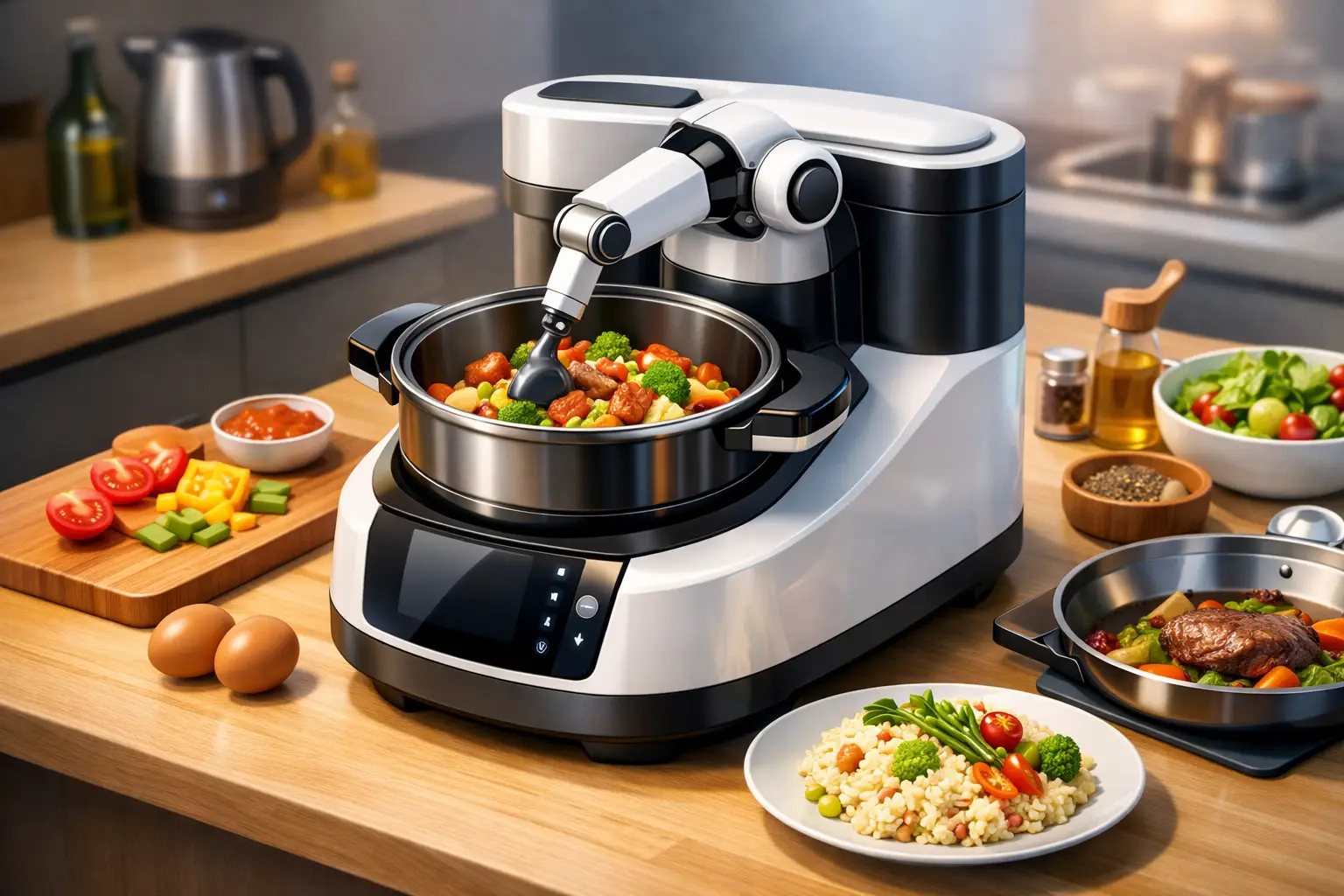
If dinner often turns into a race between work, school pickups, and cleanup, a robotic cooker for home use starts to look less like a gadget and more like a practical kitchen upgrade. The real question is not whether it looks impressive on the counter. It is whether it saves enough time, effort, and repeat cooking mistakes to justify the price.
For many households, the answer depends on how often they cook, what they cook, and how much they value convenience. A robotic cooker can chop, mix, heat, stir, steam, blend, and follow guided recipes in one unit. That sounds like a major step up from using separate pots, pans, and prep tools. In daily use, though, the difference comes down to routines. If you cook often and want more consistency with less hands-on work, it can be a strong buy. If your meals are simple and quick already, it may be more appliance than you need.
What a robotic cooker for home use actually does
A robotic cooker is best understood as a multi-function cooking machine rather than a robot in the sci-fi sense. Most models combine a heating base, mixing system, blades, digital controls, and preset programs. Depending on the model, it may also weigh ingredients, knead dough, sauté, steam vegetables, cook soups, prepare sauces, and handle baby food or dessert mixtures.
This matters because the value is not in one feature. It is in replacing several tools with one machine that can handle multiple steps in the same bowl. Instead of chopping onions, moving them to a pan, stirring by hand, then blending a sauce in a separate appliance, the cooker may do all of that in sequence.
That convenience is especially useful for apartments, smaller kitchens, office pantries, and busy family homes where space and time both matter. One compact appliance that reduces clutter has a clear advantage over buying several single-purpose machines.
Who gets the most value from one
Households that cook four or more times a week usually see the biggest benefit. Families making soups, rice dishes, sauces, stews, curries, and one-pot meals can save a noticeable amount of prep and supervision time. Parents also tend to appreciate the consistency. Once you know the settings that work, you can repeat meals with fewer surprises.
Apartment residents are another good fit. Counter space is limited, and a machine that works as blender, chopper, mixer, steamer, and cooker can make better use of that space than owning each product separately.
There is also a strong case for small offices and light commercial use where simple meal prep matters. A robotic cooker can help with soups, sauces, dips, and basic hot dishes without requiring a full cooking setup. That said, anyone buying for shared use should pay close attention to bowl capacity, cleaning time, and warranty support.
Where the savings really show up
The biggest benefit is not speed in every single recipe. It is reduced attention. A robotic cooker often lets you load ingredients, choose a program, and leave the machine to handle temperature and movement. You still need to prep ingredients, but you spend less time standing over the stove.
That has a direct value for busy households. If you can prep dinner while helping with homework, answering emails, or setting the table, the appliance earns its place. It also lowers the chance of overcooking or burning recipes that need regular stirring.
There can be financial value as well. Cooking at home more often cuts takeout spending. Buying one multifunction appliance instead of several separate products can also make sense, especially when the purchase includes official warranty coverage and local support. For many buyers, that support is a deciding factor. A low price means less if parts are unavailable or service is difficult.
The trade-offs you should know before buying
A robotic cooker is not automatically the best choice for every kitchen. Price is the most obvious factor. Compared with a standard blender or food processor, the upfront cost is higher. If you only cook simple meals a few times a week, the return may be limited.
Capacity is another issue. Some households expect one machine to replace large-pot cooking for big gatherings, but bowl size can be restrictive. A model that works well for a couple may feel too small for a large family. It is worth checking actual usable capacity, not just the maximum number listed in product specs.
Cleaning is manageable, but it is not zero effort. A single-bowl system reduces the number of dishes, yet blades, lids, seals, and steaming accessories still need attention. Some models are easier to wash than others, and that difference matters more than buyers expect.
Noise can also be a factor. Chopping and blending functions are not quiet, especially in smaller apartments. If you cook early in the morning or late at night, this is worth considering.
Key features that make a robotic cooker for home use better
Not every unit offers the same value. The best buying decision usually comes from comparing a few practical features rather than focusing only on design or screen size.
Heating performance should come first. If temperature control is inconsistent, the machine will struggle with sauces, sautéing, and recipes that need precise results. Next is motor strength. A weak motor will limit chopping, kneading, and blending performance.
Preset programs are useful, but only when they match how you actually cook. Good presets simplify daily meals. Too many niche programs can look impressive in product marketing without improving real use.
A clear digital interface, durable bowl construction, secure lid locking, and easy-to-remove accessories all add day-to-day value. Safety features matter too, especially in homes with children. Overheat protection, stable base design, and controlled lid release are not small details. They affect long-term usability.
For buyers in the UAE or any market where service access matters, warranty support should sit near the top of the checklist. Fast delivery and official warranty are part of the ownership value, not just sales extras. That is one reason shoppers often prefer established appliance sellers instead of taking a chance on unsupported imports.
When it beats an air fryer, blender, or food processor
This depends on what problem you are trying to solve. If your main goal is crisp snacks and roasted foods, an air fryer is still the better specialist. If you only need smoothies or quick blending, a blender is simpler and less expensive. If you mostly prep ingredients and do not need heating, a food processor may cover the basics at lower cost.
A robotic cooker stands out when you want an appliance that combines prep and cooking. It is strongest in recipes with multiple stages, such as chopping, sautéing, simmering, and blending in sequence. That is where it saves both time and effort.
For many kitchens, it works best alongside one or two core appliances rather than replacing everything. A household might still use an air fryer for crispy foods and a robotic cooker for soups, sauces, rice dishes, doughs, and family meals.
What buyers should check before placing an order
Start with your meal routine. If your weekly cooking includes soups, curries, sauces, steamed dishes, and one-pot meals, you are likely to use the machine often. If your meals are mostly grilled, fried, or oven-based, usage may be lower.
Then compare capacity, wattage, functions, and cleaning design. Read product details closely. A lower-priced unit can be good value if it covers your core needs and comes with dependable support. A premium model is only worth the extra cost if you will use its added functions regularly.
For households and trade buyers alike, reliable fulfillment matters. Buying from a supplier that offers local stock, fast delivery, and warranty-backed products reduces risk. On a practical level, that can matter more than an extra preset or a slightly larger screen. Retail and bulk buyers looking for kitchen appliances with that combination often compare options through suppliers such as Perfect Bazzar.
So, is it worth it?
For the right buyer, yes. A robotic cooker earns its value when it helps you cook more often, spend less time watching the stove, and reduce the number of appliances crowding your kitchen. It is not the cheapest option, and it is not ideal for every cooking style. But for busy homes that want convenience, consistency, and multifunction performance in one machine, it can be a smart upgrade.
The best choice is the one that matches your actual routine, not the one with the longest feature list. If a machine can take real pressure off your day and hold up with reliable support behind it, that is where the value becomes easy to see.