
Blog
How to Choose Premium Home Appliances

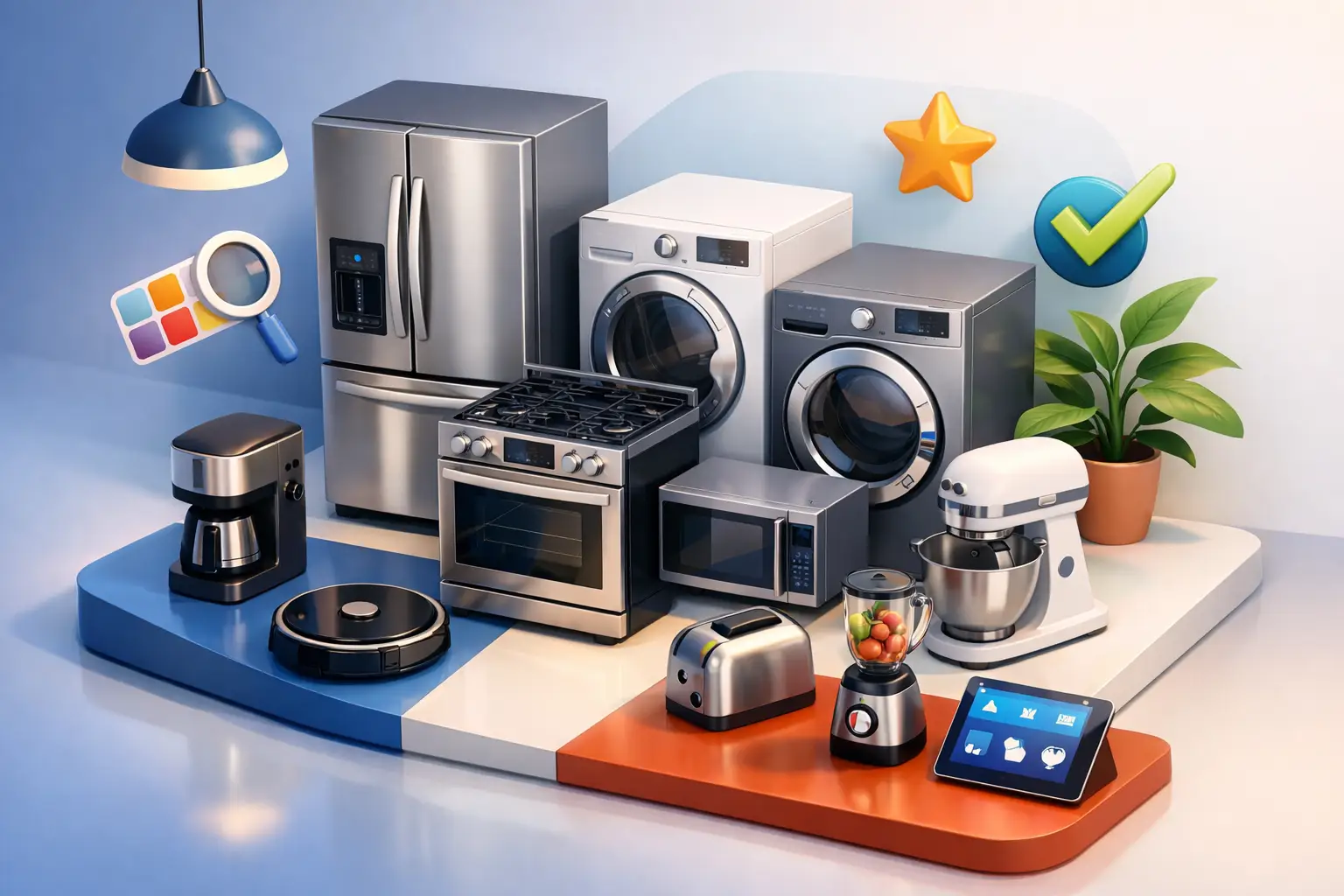
A mixer that struggles with dough, a food processor that overheats after a few minutes, or a water dispenser that looks good but feels flimsy in daily use – these are the purchases people regret fast. When shoppers look for premium home appliances, they are usually not chasing luxury for its own sake. They want better performance, longer service life, cleaner design, and fewer problems after delivery.
That matters even more in busy homes, apartments, offices, and trade buying situations where appliances need to work consistently, not just look impressive in the box. A premium product should justify its price with practical value: stronger build quality, dependable output, easier cleaning, modern features, and official warranty support. If it does not improve everyday use, it is not truly premium.
What premium home appliances should really offer
The word premium gets used too loosely in the appliance market. Sometimes it means polished packaging, a glossy finish, or a higher price tag with no meaningful difference in performance. For most buyers, the better definition is simpler: an appliance should feel reliable from the first use and continue delivering under regular demand.
In kitchen categories like air fryers, choppers, food processors, and mixers, premium quality often shows up in the details. Motors run with more stability. Controls feel solid instead of loose. Containers and bowls fit properly. Blades stay sharp longer. Safety locks work as expected. These are not flashy features, but they are the difference between a product that becomes part of your routine and one that ends up stored in a cabinet.
For water dispensers and home convenience products, premium quality also means user comfort. Cooling and heating functions should respond quickly. Dispensing should be clean and easy. Exterior materials should handle regular contact without looking worn too soon. If a product is used every day by a family or office team, that durability matters as much as appearance.
Price matters, but value matters more
A common mistake is assuming the highest-priced option is automatically the best one. Another mistake is buying the cheapest model and hoping for premium results. Most smart purchases sit in the middle, where performance, warranty, and price are balanced.
This is where buyers need to be careful. Some appliances carry a premium label because of branding, while others offer premium-feeling performance through better specifications and practical design. Wattage, bowl capacity, material strength, and ease of maintenance often tell you more than marketing claims.
For example, a stand mixer with enough power for regular batter, cream, and dough preparation may be a better investment than a more expensive unit with weak torque and limited use. The same applies to air fryers. Capacity, heating consistency, basket quality, and cleaning convenience matter more than a long list of settings most households never use.
For retail shoppers, value means paying for features that improve daily life. For wholesale and reseller buyers, value means offering products that customers will trust, return less often, and reorder with confidence. Premium should make commercial sense too.
How to compare premium home appliances by category
Different appliance types should be judged differently. A strong food processor is not measured the same way as a water dispenser, and a good chopper does not need the same feature depth as a multifunction mixer. The right comparison starts with actual use.
Air fryers
Air fryers should be judged on cooking capacity, temperature control, basket build, and cleaning ease. A premium model should cook evenly, handle regular use, and save time without becoming difficult to maintain. If the drawer feels weak or the coating scratches too quickly, the product may not hold up well over time.
Food processors and choppers
For food processors and choppers, motor strength and blade performance come first. Buyers should also look at bowl locking, attachment fit, and whether the appliance can handle repeated prep work without slowing down. A product used for chopping onions once a week has different demands than one used daily for sauces, vegetables, nuts, and dough preparation.
Mixers
Mixers need stable operation, usable speed settings, and durable accessories. In practical terms, this means smooth mixing without excessive vibration and enough power to handle thicker recipes. A premium mixer should reduce effort, not create more of it.
Water dispensers
Water dispensers should be evaluated for cooling and heating efficiency, dispensing convenience, and hygiene-friendly design. In homes and offices, these units often run continuously, so reliability becomes a major part of premium value. If service support is unclear, even a good-looking unit may become a risky buy.
Features that are worth paying for
Not every feature deserves a higher price. Some do.
A stronger motor is usually worth it if the appliance is used regularly. Larger capacity is worth it when cooking for families, shared apartments, or office staff. Safety systems are worth it, especially in homes with children or in fast-paced kitchens where appliances are used back to back.
Easy-clean design is another feature people underestimate until they have to deal with a difficult appliance every day. Removable parts, nonstick surfaces where appropriate, and practical assembly save real time. That matters in households and commercial settings alike.
Warranty support also belongs in the value discussion. Premium buying should not stop at checkout. Official warranty coverage gives buyers confidence that the ownership experience is protected, especially for electrical products that see frequent use.
What buyers in the UAE usually care about most
In the UAE market, convenience is not a bonus. It is part of the buying decision. Customers want appliances that fit modern homes, arrive quickly, and work as expected without unnecessary hassle. Fast local delivery, dependable after-sales support, and pricing that still feels competitive are major reasons people choose one seller over another.
This applies across customer types. Families upgrading their kitchen want practical products with good capacity and a clean look. Apartment residents often prioritize compact design and multifunction use. Offices need reliable water dispensers and easy-to-use small appliances. Resellers and bulk buyers want consistency, price control, and products that are easy to sell with confidence.
That is why premium in this market often means premium-feeling performance at a price that still makes sense. Buyers are not just comparing features. They are comparing ownership risk.
Retail and wholesale buyers do not evaluate appliances the same way
A household buyer may focus on appearance, size, and convenience first. A wholesale buyer usually starts with resale potential, margin, warranty credibility, and repeat demand. Both care about quality, but the decision path is different.
For retail customers, the best appliance is one that solves a daily problem quickly. It should save prep time, reduce effort, and fit naturally into the kitchen or utility space. A premium product should feel easy to own.
For wholesale customers, consistency matters more than novelty. Products should arrive in reliable condition, maintain quality across units, and offer features that are easy to explain to end buyers. This is one reason brands and suppliers that combine direct pricing, fast UAE delivery, and official warranty support stand out. LIGHT PERFECT TRADING L.L.C operates in that space by serving both everyday shoppers and bulk buyers who want dependable appliance value without inflated retail pricing.
Signs an appliance is not as premium as it claims
The warning signs are usually easy to spot once you know what to look for. Product descriptions that rely on style but avoid clear specifications are one concern. Another is when capacity, wattage, or material details are vague. If a seller emphasizes appearance but says little about function, buyers should ask more questions.
Poor fit and finish is another clue. Loose lids, thin plastic, unstable controls, and weak accessories often show up early. The product may still work at first, but long-term performance becomes harder to trust.
Lack of clear warranty coverage should also raise caution. A premium appliance should come with support that matches its price and usage expectations. Without that, the buyer takes on too much of the risk.
Making the right choice without overspending
The best way to buy premium home appliances is to start with use, not image. Think about how often the product will be used, what tasks it needs to handle, and whether those tasks are light, moderate, or frequent. Then compare motor power, capacity, material quality, ease of cleaning, and warranty.
If the appliance will be used every day, paying more for durability usually makes sense. If it is for occasional use, a simpler model with the right core features may be the better value. That balance is where smart buying happens.
A good appliance should earn its place on your counter, in your kitchen, or in your product lineup if you are buying for resale. Premium is not about paying more to feel better about the purchase. It is about getting stronger performance, better reliability, and a smoother ownership experience from the start.
Choose with that standard in mind, and the right appliance will keep proving its value long after the first use.