
Blog
Which Food Processor Size Should You Buy?

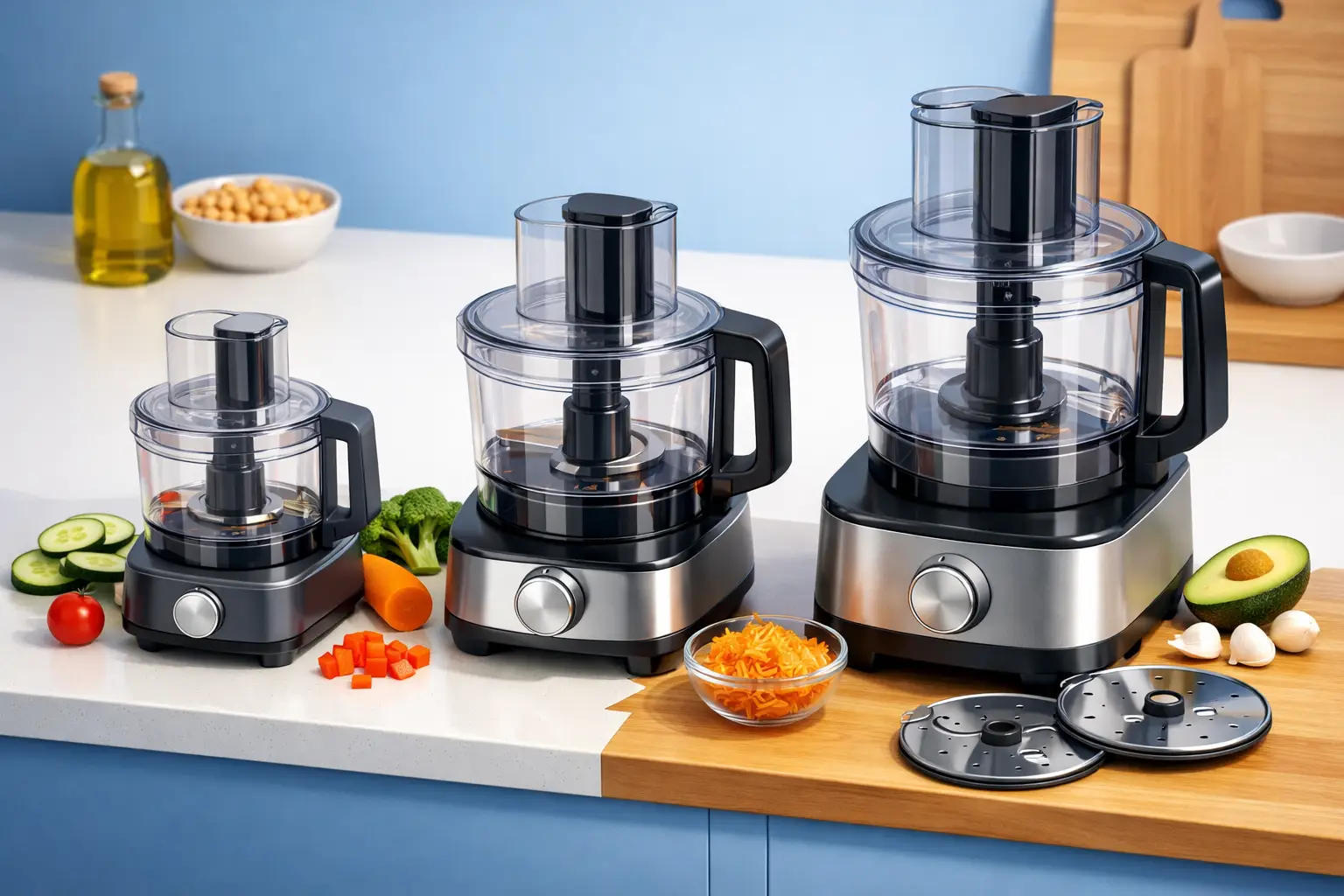
A 3-cup chopper can feel perfect until you try to prep dinner for six. A 14-cup model sounds smart until it takes up half the counter and only gets used twice a month. If you’re wondering which food processor size makes sense, the right answer comes down to how you cook, how many people you feed, and how much space you want to give the machine.
A food processor is one of those appliances that can save real time when the size matches the job. Too small, and you end up processing in batches. Too large, and cleanup, storage, and price can feel harder to justify. For most buyers, choosing the right capacity matters more than chasing the highest wattage or the longest feature list.
Which food processor size works for everyday cooking?
The easiest way to think about size is by household use. Small-capacity processors, usually around 3 to 5 cups, are best for quick prep. They handle onions, herbs, garlic, nuts, dips, and small sauces well. If you live alone, cook simple meals, or want a secondary machine for fast chopping, this size can be practical and affordable.
Mid-size units, usually 7 to 10 cups, are the most flexible choice for many homes. They give enough room for slicing vegetables, making hummus, mixing dough in smaller amounts, or prepping ingredients for family meals without becoming bulky. For apartment kitchens and average weekly cooking, this range often gives the best balance of performance, footprint, and value.
Large food processors, usually 11 to 14 cups and above, are better for bigger households, frequent cooking, and batch prep. If you make large portions, entertain often, or like to prepare several meals at once, a bigger bowl saves time. It also works better for heavier tasks like shredding a full block of cheese, slicing multiple vegetables in one run, or mixing larger dough portions.
Which food processor size fits your household?
If you’re buying for one or two people, a small or mid-size processor is usually enough. That does not mean the smallest option is automatically best. If you cook often, even a two-person household may get frustrated with a very compact bowl. Chopping one onion is easy in a mini processor. Prepping vegetables for a full stir-fry, soup, or weekly meal plan is a different story.
For three to five people, the safest range is usually 7 to 10 cups. This size handles daily cooking well without feeling oversized. It also gives more room for multifunction use, which matters if you want one appliance to chop, slice, shred, puree, and mix.
For larger families, shared homes, or buyers who cook in quantity, 11 cups and up is usually the better investment. The bigger bowl reduces repeat batches, which is where a lot of time gets lost. If convenience is the reason you’re buying a food processor, capacity should support that goal.
Small, medium, or large: the real trade-offs
Small food processors cost less, store easily, and clean quickly. That makes them attractive for first-time buyers and compact kitchens. The limitation is output. If you regularly process anything more than a few servings, the bowl fills fast and the motor may be better suited to lighter tasks.
Mid-size models are often the smartest all-around purchase because they cover the widest range of everyday tasks. They are large enough to be useful and compact enough to live with comfortably. For many shoppers, this is where price, convenience, and function line up best.
Large models offer better capacity and often stronger overall performance, but they ask for more space and usually a higher budget. They can also feel inefficient for very small jobs. Chopping a few cloves of garlic in a large bowl is possible, but not always ideal. Bigger isn’t automatically better if most of your cooking is simple and low volume.
What can each food processor size actually do?
A 3 to 5-cup machine is good for salsa, baby food, small chutneys, nuts, breadcrumbs, and quick chopping. It’s a strong fit for light prep and occasional use. It is not the best choice if you expect it to replace several prep tools for full family cooking.
A 7 to 10-cup processor can usually manage most common kitchen jobs without strain. It works well for coleslaw, shredded cheese, pie dough, burger mix, chopped vegetables, and medium-size sauce batches. This is the range many buyers choose when they want one appliance that gets used several times a week.
An 11 to 14-cup processor is built for volume. It is better for larger dough batches, full salad prep, bulk slicing, and meal prep for several days at once. For office kitchens, larger households, and trade buyers sourcing practical family appliances, this size has strong appeal because the usefulness is easy to explain and easy to sell.
Which food processor size is best for small kitchens?
Counter space matters more than many buyers expect. A large-capacity machine that stays in a cabinet may get used less often than a mid-size unit that stays within reach. If your kitchen is compact, measure the storage space before buying. Bowl size, motor base width, and accessory storage all affect how practical the machine will feel after the first week.
For smaller kitchens, a 7 to 9-cup processor is often the sweet spot. It gives enough capacity for real cooking without becoming difficult to store. A mini processor works too, but only if your cooking habits match its limits. If you prep full meals regularly, a slightly larger model may still be the better value.
Capacity is not the only spec that matters
When shoppers focus only on cup size, they can miss other details that affect day-to-day use. Bowl capacity should match the motor strength and blade setup. A larger bowl with weak performance is not a good deal. A smaller bowl with efficient power and sharp blades may perform better for the tasks you actually do.
Feed tube size also matters if you plan to slice vegetables often. A wider feed tube reduces prep time because you do less pre-cutting. Easy-clean parts matter too, especially if you expect frequent use. If the bowl, lid, and blades are awkward to wash, convenience drops quickly.
Warranty support is another practical buying factor. A food processor is a working kitchen appliance, not a decorative item. Official warranty coverage and local support can make a real difference, especially for households using the machine several times a week or resellers choosing stock their customers can trust.
The best size by buyer type
If you cook occasionally and want help with onions, sauces, and quick chopping, go small. It keeps cost down and covers light kitchen work without taking over your space.
If you cook most days and want one processor for slicing, shredding, chopping, and mixing, choose mid-size. This is the most reliable choice for general home use and one of the best values for the money.
If you meal prep, cook for a family, host often, or buy appliances with resale practicality in mind, go large. Higher capacity pays off when the machine is used for real volume, not just occasional garnish prep.
For buyers comparing options in a value-driven retail market, this is where practical product selection matters. Brands and retailers that focus on everyday performance, fast delivery across UAE, official warranty, and direct wholesale pricing make the buying decision easier because the specs are tied to real use, not just marketing claims. That is especially relevant when choosing a food processor you expect to use for years.
A good food processor should make cooking faster, not create new limits. If you’re stuck on which food processor size to buy, think less about maximum capacity and more about your normal weeknight routine. The best pick is the one that handles your usual workload comfortably, fits your kitchen, and feels worth using again tomorrow.