
Blog
Perfect Italy Mixer Review: Worth Buying?

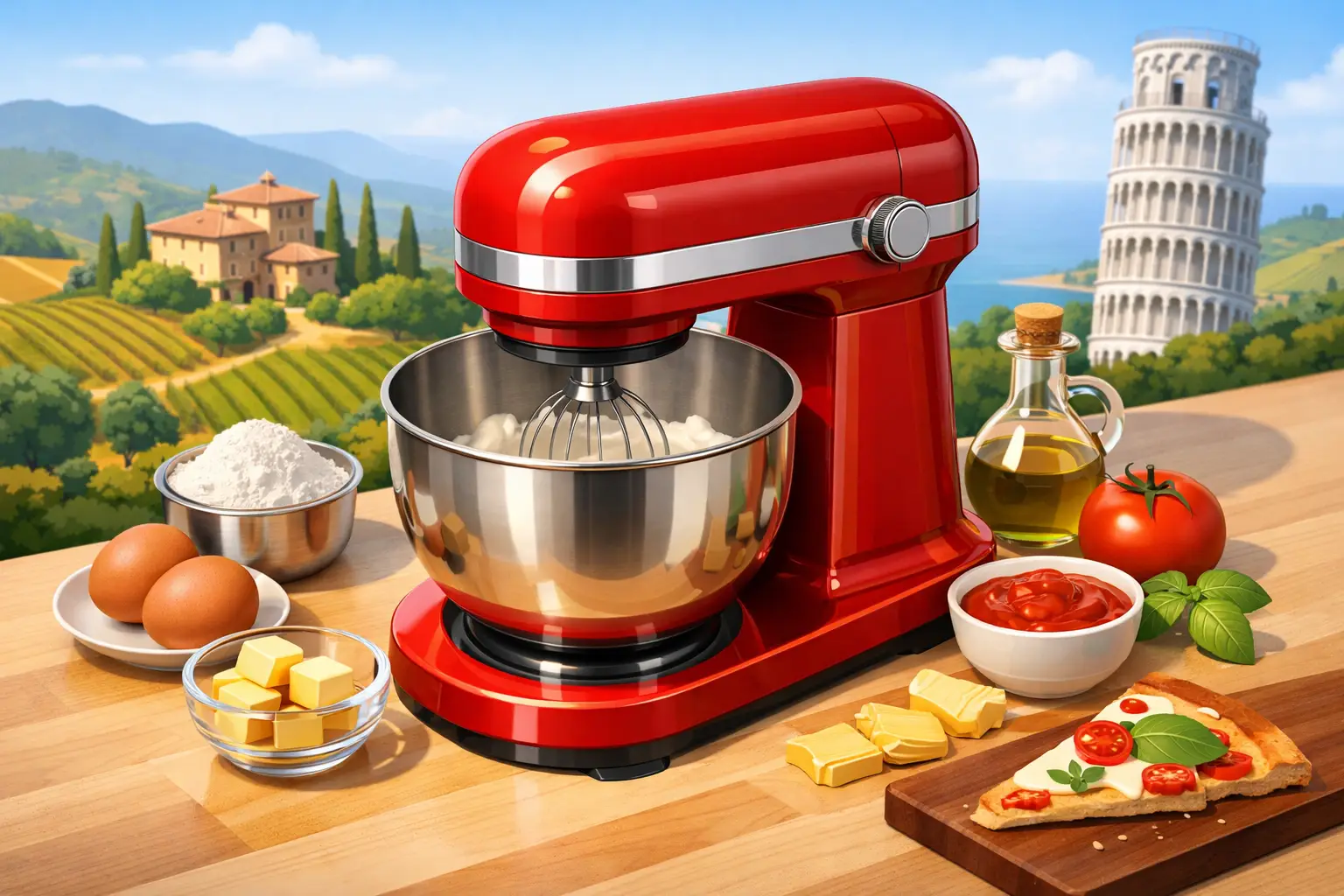
A mixer usually proves itself in the first ten minutes. If it struggles with cake batter, shakes on the counter, or leaves flour sitting at the bottom of the bowl, no spec sheet can save it. This perfect italy mixer review focuses on what buyers actually care about – mixing performance, motor strength, bowl capacity, ease of cleaning, and whether the price makes sense for everyday use in UAE homes and small business settings.
For most shoppers, the real question is not whether a mixer looks premium. It is whether it saves time without creating extra hassle. That matters even more if you are buying for a family kitchen, a shared apartment, an office pantry, or resale stock where reliability and warranty support affect the buying decision.
Perfect Italy mixer review: who this mixer suits best
The Perfect Italy mixer category is built for practical users. That includes home cooks who bake regularly, families preparing doughs and batters in medium to large quantities, and buyers who want a countertop appliance that can handle repeat use without moving into a much higher price bracket.
It also makes sense for trade buyers and smaller resellers who need products with broad customer appeal. Mixers are not niche appliances. They sell because they solve a daily kitchen problem fast. A value-focused model with solid capacity and official warranty has an easier path in the market than an expensive specialty unit that only suits a narrow audience.
If your use is very light, such as occasional whipping cream or mixing one small cake every few weeks, a hand mixer may still be enough. But if you are mixing dough, preparing multiple recipes back to back, or want more consistent results with less effort, a stand mixer becomes the better investment.
What stands out first
The first thing most buyers notice is the balance between design and function. A good mixer should look clean on the countertop, but the more important detail is whether the body feels stable and the bowl locks properly into place. That basic physical confidence matters because mixers deal with resistance. Dense dough and thick batters expose weak construction very quickly.
With Perfect Italy mixers, the appeal is usually in that middle ground. You are not paying only for appearance, and you are not getting a stripped-down machine that feels disposable. The value is in getting the core features most users need – enough power for daily prep, a workable bowl size, standard attachments, and an ownership experience backed by local delivery and warranty.
Performance in real kitchen use
A mixer can claim high wattage, but performance is about control as much as raw power. In practical use, a good machine should start smoothly on low speed, keep ingredients in the bowl, and build speed without becoming unstable. That is especially important for flour-based mixes, cookie dough, and heavier batters where inconsistent movement leads to uneven texture.
For light tasks like whipping eggs, cream, or pancake batter, most decent stand mixers perform well enough. The bigger test is medium to heavy work. Bread dough, thicker cake mixtures, mashed potato blends, and repeated batch mixing reveal whether the motor and gear system are actually dependable.
This is where a Perfect Italy mixer generally offers good value if your expectations are realistic. It should handle normal household mixing jobs comfortably and save effort compared with manual tools or lower-powered handheld units. But it is still worth understanding the trade-off. If you run a heavy baking schedule every day or prepare very stiff doughs in large volume, you may need a higher-end machine built for commercial intensity. For standard home and small office kitchen use, the performance-to-price balance is more attractive.
Bowl capacity and batch size matter more than most buyers expect
Many people shop by motor number first and bowl size second. In real use, both matter. A mixer with decent power but limited usable bowl space can become frustrating if you cook for a family or batch-prepare recipes. On the other hand, a large bowl only helps if the mixer can still work efficiently with smaller quantities.
A practical stand mixer should comfortably support everyday cooking patterns: cake batter for gatherings, dough for several flatbreads or rolls, whipped cream for desserts, and repeated prep during holidays or weekend cooking. Buyers in apartments may also want a machine that offers good capacity without taking over the entire counter.
That is why this product category appeals to such a wide market. It fits the customer who wants one mixer to cover weekday basics and occasional heavier cooking days. For resellers and wholesale buyers, that broad usability is a selling point because it reduces the risk of stocking something too specialized.
Attachments and speed settings
The best mixer features are often the simplest ones. A whisk, beater, and dough hook cover the majority of kitchen needs. If these attachments are well-made, easy to fit, and simple to clean, the machine becomes much more useful than a flashy model with extras people rarely use.
Speed settings also make a real difference. Too few speeds can make mixing imprecise. Too many speeds are not useful if the machine lacks stability. What most buyers need is a practical range that covers folding, beating, whipping, and kneading without splashing or overworking ingredients.
A strong value mixer should make these settings easy to understand. That matters for everyday home users, but also for offices, shared kitchens, and resale customers who want a straightforward product with low learning time.
Cleaning and storage
Convenience is not just about mixing. It is also about what happens afterward. If the bowl is awkward to remove, attachments trap residue, or the body attracts mess in every corner, the product becomes less useful over time.
A well-designed mixer should support quick cleanup with smooth surfaces and easy-release parts. This is especially important for households that cook often. The faster the cleanup, the more likely the appliance will stay in regular use instead of being pushed to the back of a cabinet.
Storage is another practical factor. Some buyers have large kitchens and permanent counter space. Others do not. If the mixer has a compact enough footprint for apartment living while still delivering solid bowl capacity, that is a meaningful advantage in the UAE market where kitchen space can vary widely.
Noise, stability, and daily comfort
Shoppers often overlook noise until the first use. A mixer does not need to be silent, but it should sound controlled rather than strained. Excess vibration, high-pitched motor noise, or body movement across the counter can make even a powerful machine feel cheap.
A stable base and predictable operation add confidence. That matters more than people think because kitchen appliances are judged emotionally as well as technically. If a mixer feels safe and steady, users trust it faster. If it jumps during kneading, they start questioning durability immediately.
For households with children, shared living arrangements, or open kitchen layouts, that daily comfort level becomes part of the value equation.
Price, warranty, and buying confidence
This is where the Perfect Italy proposition becomes strongest. Buyers in this segment usually want premium-looking appliances without inflated retail pricing. They also want local support. A low-priced mixer with no real warranty or slow after-sales response can become expensive very quickly if anything goes wrong.
A warranty-backed purchase is not just a bonus. It is part of the product value. The same goes for fast delivery across UAE and access to a supplier that understands both consumer and bulk purchasing needs. LIGHT PERFECT TRADING L.L.C positions this well because the buying model supports both single-unit shoppers and wholesale customers looking for dependable appliance stock.
For many customers, that combination is the deciding factor. Not the absolute cheapest unit, and not the most premium name, but the option that gives useful features, solid presentation, and official ownership support.
So, is it worth buying?
If you want a mixer for regular household baking, dough preparation, dessert work, and general kitchen convenience, a Perfect Italy mixer is an easy category to consider. The value is strongest for buyers who want practical performance, modern design, and a more reassuring warranty and delivery experience than unverified marketplace options.
If your needs are occasional and very light, you may not need a full stand mixer. If your workload is heavy enough to resemble bakery use, you may need a more commercial-grade machine. But for the wide middle of the market – families, apartment kitchens, office buyers, and resale customers – the appeal is clear.
The best appliance purchases are the ones that keep making sense after the first week. If the mixer handles everyday recipes well, cleans without fuss, stays stable on the counter, and comes at a price that feels fair, that is usually the right buy.