
Blog
How to Use Stand Mixer the Right Way

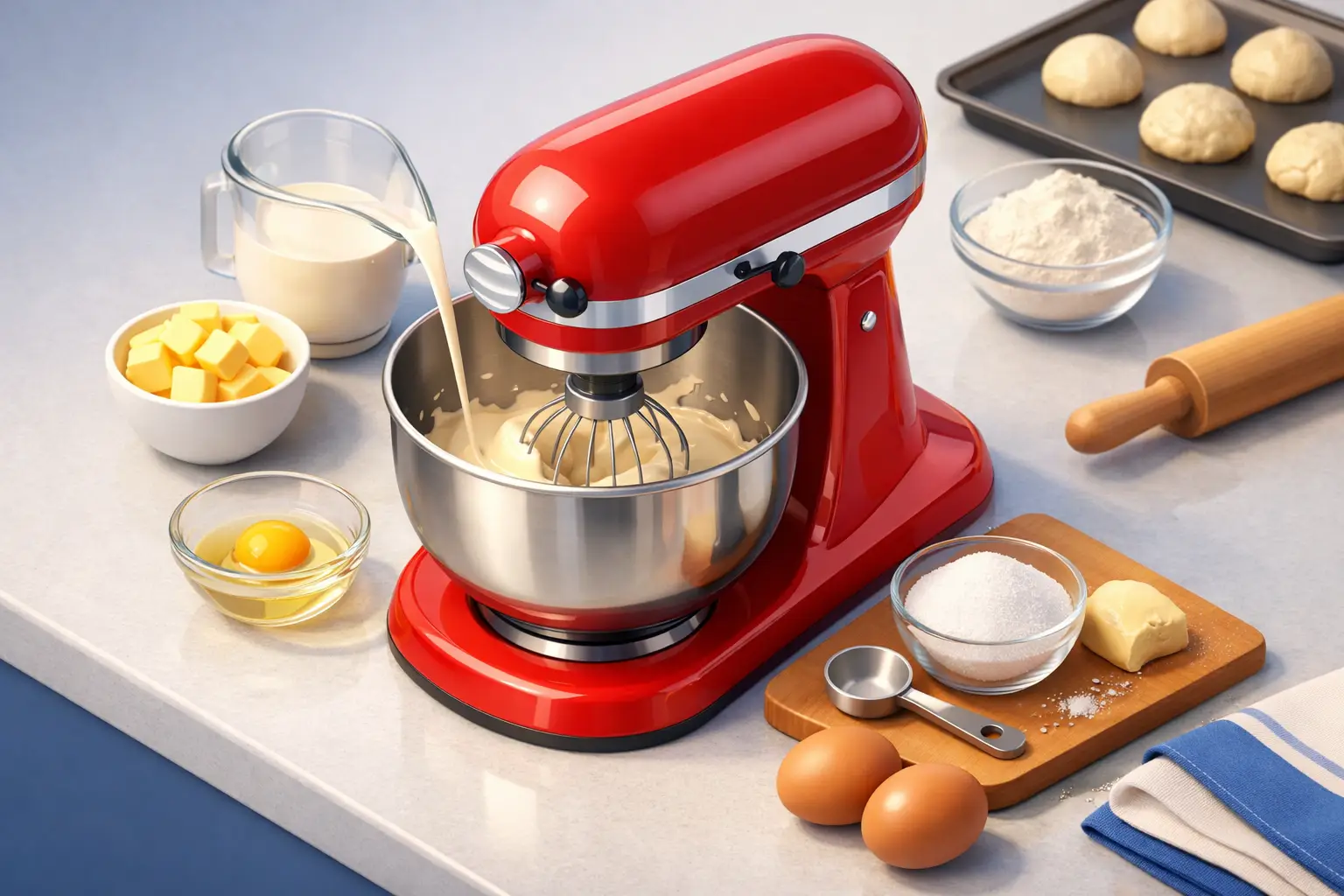
A stand mixer can save serious time in the kitchen, but only if you use it correctly. If you have ever wondered how to use stand mixer settings without making a mess, overmixing batter, or stressing the motor, the good news is that the basics are simple once you know what each part does.
For busy homes, apartment kitchens, and anyone who wants faster prep with less effort, a stand mixer is one of the most practical countertop appliances you can own. It handles dough, cake batter, whipped cream, mashed potatoes, and more with better consistency than hand mixing. The key is matching the bowl, attachment, and speed to the job.
How to use stand mixer parts correctly
Before you start mixing, it helps to understand the three main parts you will use every time: the bowl, the attachment, and the speed control. Most stand mixers also include a tilt-head or bowl-lift design. Both work well, but the setup feels slightly different.
The bowl locks into the base so it stays stable while mixing. Always make sure it is fully secured before turning the machine on. If the bowl is not locked in place, ingredients may mix unevenly and the bowl can shift during heavier tasks like bread dough.
The attachment connects to the mixer head. In most models, you will use a flat beater for general mixing, a dough hook for kneading, and a whisk for whipping air into lighter ingredients. Some users assume one attachment can do everything, but that usually leads to weaker results. Batter made with a whisk can become too airy, while dough mixed with a flat beater may strain the machine.
Speed control matters just as much. Low speeds are best for combining dry ingredients, kneading dough, and reducing splatter. Medium speeds work well for cake batter, cookie dough, and creaming butter with sugar. High speeds are mainly for whipping cream, egg whites, and other mixtures that need more air.
Choose the right attachment before mixing
If you want better performance from your machine, attachment choice is the first decision to get right.
The flat beater is the everyday option. Use it for cake mixes, cookie dough, mashed potatoes, frosting, and pancake batter. It gives even mixing without adding too much air. For most households, this is the attachment that gets used the most.
The dough hook is for yeast dough and heavier mixing. Pizza dough, bread dough, and some bun or roll recipes should be mixed with this attachment at low speed. A common mistake is turning the speed too high to finish faster. That puts extra load on the motor and can affect dough texture.
The wire whisk is best when you need volume. Whipped cream, meringue, and fluffy eggs all benefit from the whisk because it incorporates air quickly. It is not meant for dense mixtures.
If your model includes extra accessories, use them according to capacity. More features can be useful, but only if the mixer has enough power and bowl size for the task. That matters for families cooking in larger batches and for small resellers or commercial buyers comparing practical machine performance.
How to use stand mixer for common kitchen jobs
Most people buy a stand mixer for baking, but it can help with everyday prep too.
For cake batter, start by creaming butter and sugar at medium speed until the texture looks lighter and smoother. Then add eggs one at a time. Once the wet ingredients are blended, reduce the speed before adding flour. This keeps dry ingredients from flying out of the bowl and helps prevent overmixing.
For cookie dough, the same flat beater works well. Cream butter and sugar first, then add eggs and vanilla, then dry ingredients. Stop once the flour disappears into the dough. If you keep mixing too long, the dough may become tougher than you want.
For whipped cream, use the whisk and start at medium speed before increasing to high. This gives you more control. If you start too fast, the cream can splash. Watch closely near the end because whipped cream can turn grainy or become butter if left too long.
For bread dough, combine ingredients on low speed and let the dough hook do the work. The dough should start coming together into a smooth mass after several minutes, depending on the recipe. If the mixer shakes aggressively, the dough may be too stiff, the batch may be too large, or the speed may be too high.
Stand mixers are also useful for mashed potatoes, shredded cooked chicken, frosting, and even mixing meatballs or kofta mixture in some kitchens. The trade-off is that not every recipe benefits from machine mixing. Delicate items or very small quantities may still be easier by hand.
Start slow and build speed
One of the simplest ways to use a stand mixer better is to avoid starting fast. Begin on the lowest setting when adding ingredients, especially flour, cocoa powder, powdered sugar, or liquids. Once the mixture is combined enough to stay in the bowl, increase the speed if needed.
This step makes a big difference in cleanliness and consistency. It also protects the motor from sudden resistance, especially when mixing thick doughs or cold butter.
A good rule is this: low speed for combining, medium speed for mixing, and high speed for whipping. That will cover most home recipes without guesswork.
Scrape the bowl when needed
Even a good stand mixer does not always reach every part of the bowl perfectly. Ingredients can stick to the sides or collect at the bottom, especially with butter-heavy mixtures or smaller batches.
Pause the mixer and scrape the bowl with a spatula once or twice during mixing. This takes a few extra seconds but gives a more even result. It is especially useful for cake batter, frosting, and cookie dough.
If your mixer has a splash guard, use it when working with flour or sugar. It helps reduce mess, although it does not completely replace the need to start at low speed.
Know your mixer capacity
This is where many users make avoidable mistakes. Every stand mixer has a practical limit based on motor power, bowl size, and build quality. Trying to knead too much dough or mix very dense batches can overheat the machine and shorten its life.
If you are making bread for a large family or using the mixer more often for heavier recipes, choose a model with enough wattage and a bowl that suits your batch size. A compact mixer may be perfect for daily cakes, whipped cream, and light doughs, but not ideal for frequent heavy kneading.
That is why product specs matter. Capacity, motor strength, attachment quality, and cleaning convenience all affect real kitchen performance. Shoppers comparing models at Perfect Bazzar often look at these practical points first because they directly affect daily use, value, and long-term reliability.
Clean it the right way after use
Good cleaning keeps the mixer looking better and working longer. Always switch it off and unplug it before removing attachments.
Wash the bowl and attachments according to the product instructions. Some are dishwasher safe, while others last longer with hand washing. Wipe the mixer body with a damp cloth instead of rinsing it under water. Never let water get into the motor housing.
If dough or batter dries on the attachment hub or around the head, clean it sooner rather than later. A quick wipe after each use is easier than scrubbing hardened residue later.
Common mistakes when learning how to use stand mixer models
The most common problem is using the wrong speed. High speed feels efficient, but it can ruin texture, create splatter, and put unnecessary strain on the machine. Another mistake is walking away completely while the mixer is running. A stand mixer is convenient, but heavy dough can shift the machine if the batch is too large or too stiff.
Users also forget to check whether the attachment is fully locked in place. If it sits too loose, mixing becomes uneven. If ingredients stay unmixed at the bottom of the bowl, the beater height may need adjustment on some models.
Finally, avoid treating every mixer the same. It depends on bowl size, motor power, and intended use. A machine built for regular family baking may not suit bulk production, while a larger, more powerful model may be more than some smaller households need.
When a stand mixer is worth it
A stand mixer is worth the counter space if you bake often, make dough regularly, or want more consistent results with less manual effort. It is especially useful for busy households that want faster prep and cleaner mixing for everyday cooking and baking.
If you only mix once in a while, a hand mixer may be enough. But if convenience, speed, and repeatable results matter, a stand mixer quickly proves its value.
Use it with the right attachment, the right speed, and the right batch size, and it becomes one of the most dependable appliances in your kitchen. Once you get comfortable with it, mixing by hand starts to feel like the slower option.