
Blog
How to Maintain Water Dispenser Right

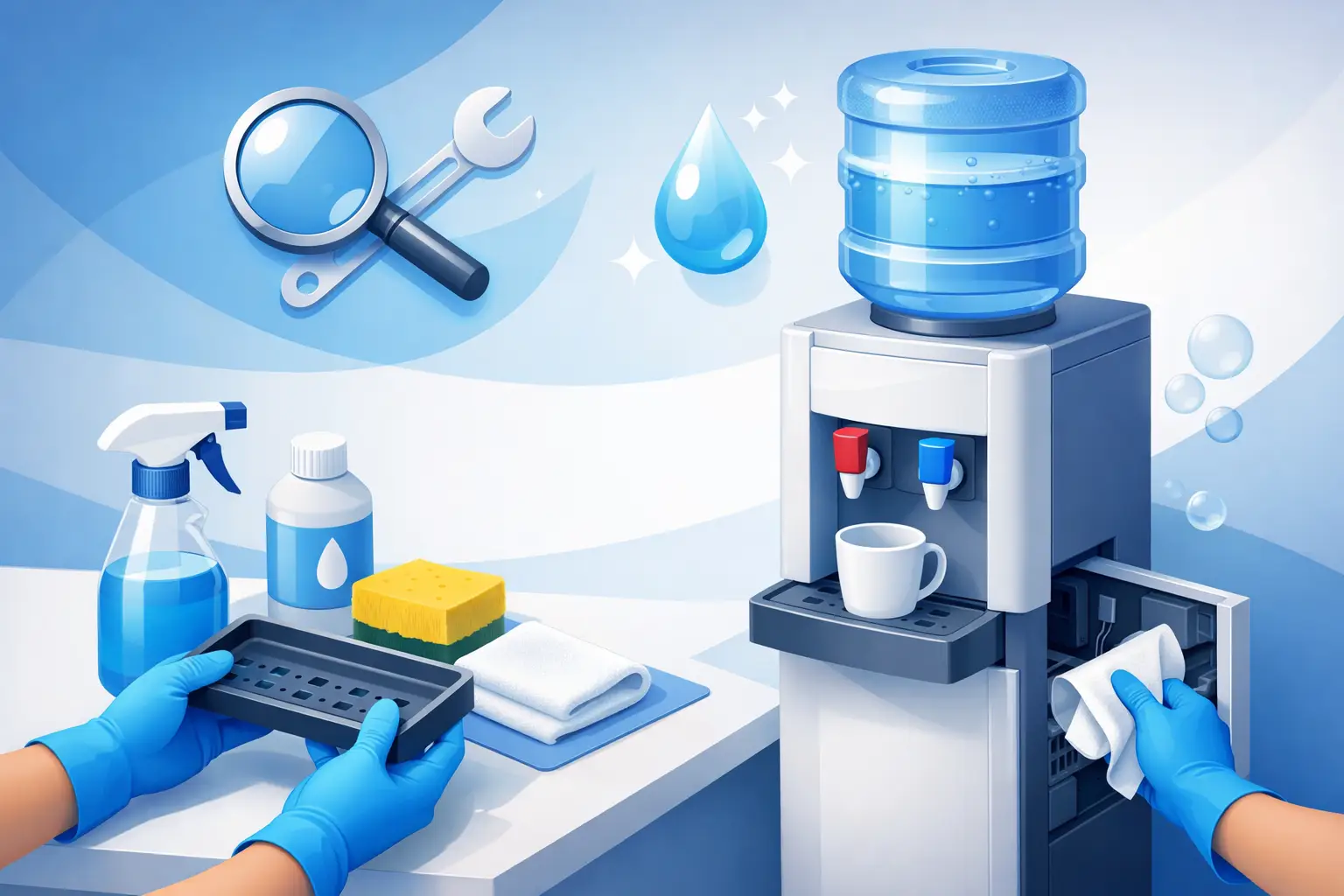
A water dispenser that starts tasting odd, cooling slowly, or dripping around the tap usually is not broken. Most of the time, it just has not been cleaned or checked on schedule. If you want to know how to maintain water dispenser performance without spending on avoidable repairs, the job is simpler than many buyers expect.
Regular care keeps water fresh, protects internal parts, and helps the dispenser last longer in homes, offices, and shared spaces. It also matters for buyers managing multiple units, because poor maintenance turns a practical appliance into a recurring cost. A few basic habits make a clear difference in hygiene, cooling efficiency, and day-to-day reliability.
Why water dispenser maintenance matters
A dispenser handles something people use every day without much thought – drinking water. That means small issues build up quietly. Mineral deposits can collect around taps and inside lines, dust can block ventilation, and standing moisture can lead to unpleasant smells or surface contamination.
The result is usually gradual, not dramatic. Water may stop tasting as clean, the hot or cold function may feel weaker, or the unit may start leaking from places that were dry before. In offices and busy households, these problems show up faster because the dispenser works harder.
Good maintenance is also a value decision. If you bought a unit for convenience, direct pricing, and long-term use, basic upkeep protects that investment. It helps you get better performance without replacing parts early or calling for service over issues that routine cleaning could prevent.
How to maintain water dispenser units week by week
The easiest way to maintain a dispenser is to stop thinking of it as a once-a-year deep clean. A simple schedule works better.
Every few days, wipe the exterior, especially the tap area, handle area, and drip tray cover. These are the parts people touch most, so they collect fingerprints, dust, and water residue quickly. Use a soft cloth with mild soap and water, then dry the surface fully.
Once a week, remove and wash the drip tray. This is one of the most neglected parts of the appliance, and it often holds stagnant water. Clean it with warm water and mild dish soap, rinse well, and let it dry before putting it back.
Every month, inspect the dispenser more closely. Check for scale around the spouts, signs of leaking, slow water flow, or dust gathering near the rear vents. If your model has hot and cold functions, confirm both are performing normally. A small drop in performance can be an early sign that the unit needs cleaning or repositioning.
Every two to three months, sanitize the water contact areas according to the manufacturer instructions. Usage matters here. A dispenser in a family kitchen or small office may need more frequent sanitizing than one used occasionally in a guest area.
Cleaning the outside is easy, but the water contact points matter most
Many users clean only what they can see. That helps appearance, but hygiene depends more on the areas where water is dispensed and collected.
Start by unplugging the unit before any deeper cleaning. If the dispenser uses a bottle, remove it carefully to avoid spills. Then clean the nozzle and tap area with a food-safe cleaning solution or a mild vinegar-and-water mix if the manufacturer allows it. Use a clean cloth or soft brush, not anything abrasive.
Pay close attention to corners, undersides of taps, and the bottle seating area. These spots can collect residue even when the exterior looks clean. Rinse with clean water where needed and dry all parts thoroughly.
If your dispenser has removable components, cleaning becomes easier and more effective. Still, do not force parts out if they are not designed to come off. The safer choice is always to follow the product manual, especially on hot-and-cold models with more internal components.
Descaling depends on your water source and usage
Not every water dispenser needs frequent descaling, but many do. If you notice white residue, slower flow, or reduced heating efficiency, mineral buildup may be the cause.
This is more common in regions where mineral content in water is higher or where the unit runs heavily every day. In those cases, internal passages and outlet points can collect scale over time. Even if the water still runs, performance may slowly decline.
A mild descaling approach is usually enough for routine care, but harsh chemicals are not worth the risk. They can damage internal parts or leave behind an odor if rinsing is incomplete. For most users, regular sanitizing and approved cleaning methods are better than aggressive treatment.
If you manage several dispensers in offices, shops, or resale inventory, create a maintenance log. That sounds basic, but it helps. You can track when each unit was cleaned, when flow changed, and whether a problem is isolated or repeated across multiple machines.
Placement affects performance more than people think
A water dispenser can be well built and still perform poorly if it is placed in the wrong spot. Heat-generating models and cooling systems need breathing room. If the back of the unit is pressed tightly against a wall or boxed into a narrow corner, ventilation drops and efficiency suffers.
Keep the dispenser on a flat, stable surface. Leave enough space around the rear and sides for airflow, especially for compressor-based models. If the floor is uneven, you may also get vibration, noise, or a drip tray that does not sit properly.
Sunlight matters too. Direct exposure can warm the unit, affect cooling performance, and increase surface wear over time. In busy kitchens and office pantries, choose a clean, shaded location that is easy to access and easy to wipe down.
Small mistakes that shorten dispenser life
A lot of dispenser problems come from habits, not defects. One common issue is ignoring the drip tray until it overflows or stains. Another is replacing water bottles carelessly, which can introduce dirt into the bottle seat area.
Some users also switch hot and cold functions on and off too frequently, or unplug the unit often without reason. That kind of inconsistent use can affect performance, depending on the model. Others move the dispenser while it is full, which increases the chance of leaks and internal stress.
Using the wrong cleaning products is another expensive mistake. Strong bleach solutions, rough scrubbers, and heavily scented cleaners can damage surfaces or leave behind residue near water contact points. Mild, approved cleaning methods are usually the best long-term choice.
When maintenance is enough and when service is better
It depends on the symptom. If the problem is odor, surface residue, slow flow, or minor dripping around the tap, maintenance often solves it. A full cleaning and inspection may restore normal operation quickly.
But if the unit stops cooling, stops heating, makes unusual internal noise, or leaks from inside the cabinet, cleaning alone may not be enough. Electrical faults, internal seal failure, or cooling system problems need proper service support. That is where buying from a supplier that offers official warranty coverage matters.
For households, that means less guesswork. For wholesale buyers or resellers, it means fewer customer complaints and better after-sales confidence. A water dispenser is a simple convenience product, but support still matters when something goes wrong.
Choosing a dispenser that is easier to maintain
Maintenance starts before the first use. Some units are simply easier to own than others. Models with accessible drip trays, easy-clean surfaces, stable tap design, and clear maintenance instructions save time over the long run.
If you are buying for family use, consider daily practicality as much as capacity or appearance. If you are sourcing for office setups or trade resale, reliability and easy cleaning should be part of the buying decision, not an afterthought. A product that looks good but takes too much effort to maintain often creates more complaints later.
This is one reason many buyers look for local stock, fast delivery across UAE, and official warranty support from trusted sellers such as PERFECT BAZZAR. Good product access is useful, but dependable ownership is what makes the purchase worthwhile after the first week.
A clean dispenser does not ask for much. Wipe it often, sanitize it on schedule, keep it properly placed, and pay attention when performance changes. That small routine keeps water fresher, the appliance working better, and your daily use as convenient as it was meant to be.