
Blog
How to Choose the Right Stand Mixer

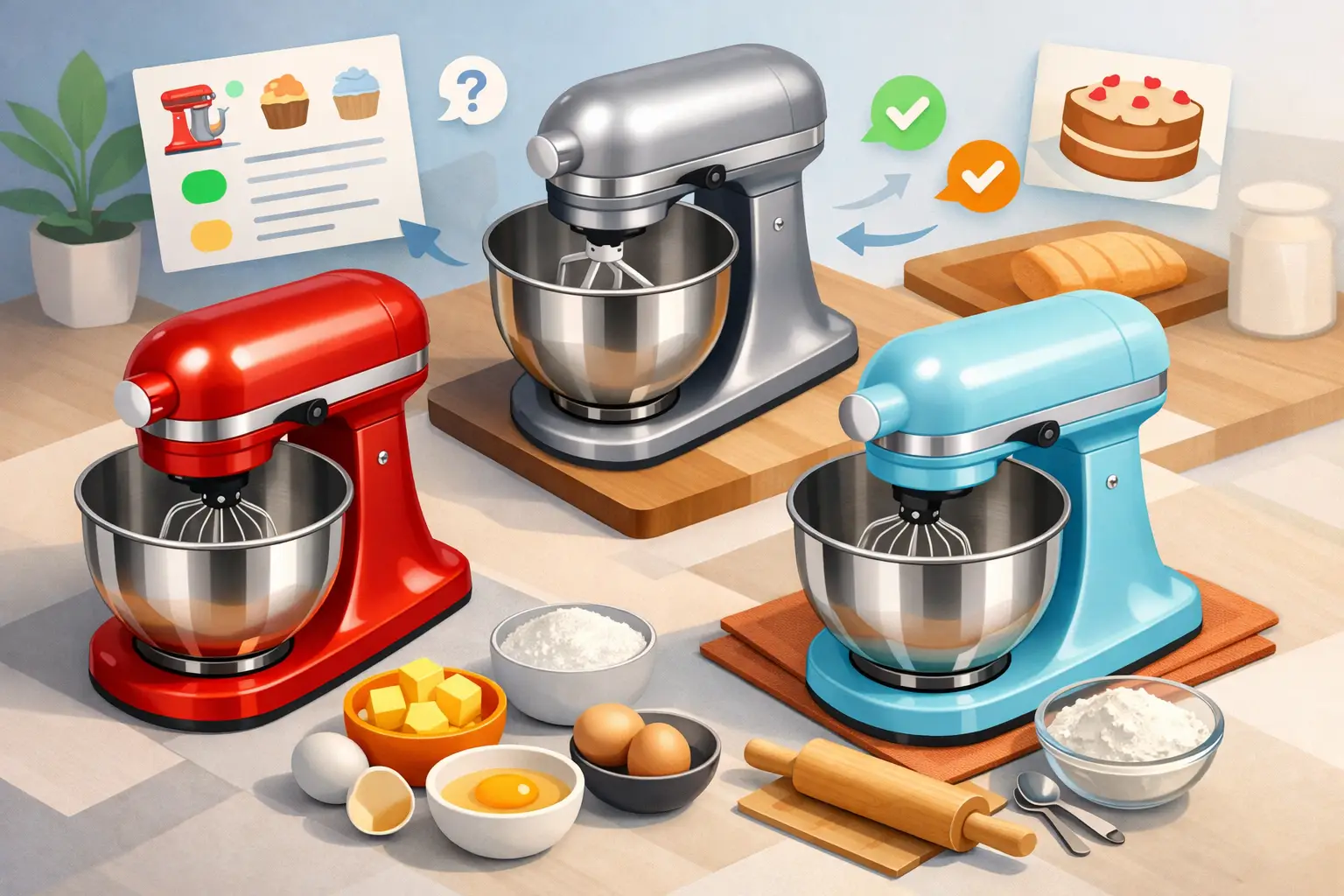
A stand mixer earns its place quickly when hand mixing starts slowing down real kitchen work. If you bake often, make dough at home, or want faster prep for cakes, cream, whipped toppings, and batters, the right machine saves time and gives more consistent results. It is one of those appliances that feels optional until you use a good one regularly.
Why a stand mixer matters in a busy kitchen
A stand mixer is built for repeat work. That matters in family kitchens, apartment setups, office pantry use, and even small resale or trade buying where durability and value have to make sense from day one. Instead of stopping to mix by hand, you get steady power, controlled speed, and better results on heavy or delicate recipes.
The biggest advantage is consistency. Cake batter comes out smoother, whipped cream reaches the right texture faster, and bread dough gets proper kneading without tiring your arms. For users who cook several times a week, that convenience is not small. It reduces effort and makes recipes more reliable.
There is also a practical space argument. A good stand mixer can replace a lot of repeated manual work, especially when paired with the right bowl capacity and attachments. For many buyers, that makes it more useful than a gadget with only one purpose.
What to look for in a stand mixer
Choosing a stand mixer is not only about brand name or appearance. The better decision comes from matching the machine to your actual kitchen habits.
Motor power and real performance
Wattage matters, but not in isolation. A higher watt motor can help with dense dough, large batches, and longer mixing times, but build quality and internal design matter too. Some mixers advertise strong power yet struggle once the bowl is full or the mixture gets heavy.
If you mainly make cake batter, cream, frosting, and light mixtures, you may not need the most powerful model. If you plan to knead pizza dough, bread dough, or thicker cookie mixes, stronger performance becomes much more important. Buyers who expect daily use should pay close attention to how stable the machine feels under load, not just the number on the box.
Bowl capacity and batch size
Bowl size should match how you cook. A smaller household may be comfortable with a compact bowl for occasional baking. A larger family, home baker, or office pantry may need more capacity to avoid working in multiple batches.
This is where many buyers either overspend or buy too small. A large bowl is useful, but it also takes up more space and can feel unnecessary if you only mix small quantities. On the other hand, if you often bake for gatherings, a small bowl becomes frustrating very quickly. Think in terms of your normal batch size, not your once-a-year holiday baking.
Speed settings and mixing control
More speed options usually mean better control. Slow speeds help when combining dry ingredients without making a mess, while higher speeds are useful for whipping cream or egg whites. Smooth speed adjustment also helps protect texture. Overmixing can ruin certain recipes, so control matters as much as raw power.
A pulse function or easy-to-use dial can make the machine more practical for everyday use. Simple controls are often better than complicated ones, especially in busy kitchens where speed and convenience matter.
Attachments that add real value
Most stand mixer models include a whisk, dough hook, and beater. For many users, these three tools cover almost everything needed at home. The whisk handles light mixtures and whipping, the beater works for batters and creams, and the dough hook is essential for bread and pizza dough.
Extra attachments can be useful, but only if you will use them. Paying more for accessories that stay in the box does not improve value. A better approach is to focus on core performance first, then consider whether extra functionality fits your cooking style.
Stability, build, and ease of cleaning
A stand mixer should stay steady while running. If it shakes too much, moves on the counter, or feels unstable with thick dough, daily use becomes frustrating. A solid base, good bowl locking system, and durable materials make a noticeable difference over time.
Cleaning is another detail that should not be ignored. Removable attachments, a bowl that washes easily, and surfaces that wipe clean quickly save time after every use. In practical buying terms, easy maintenance often matters more than cosmetic design.
Which stand mixer suits your kitchen?
Different users need different types of stand mixer performance. The best model for a first apartment is not always the best one for a large household or a small baking business.
For occasional use, a compact model with moderate power may be enough. It handles weekend baking, simple desserts, and light mixing tasks without taking over the countertop. This works well for apartment residents who want function without bulk.
For regular home baking, it makes sense to step up to a machine with stronger motor performance, a larger bowl, and dependable dough handling. This kind of mixer offers better long-term value because it supports both light and heavy recipes.
For frequent batch prep or trade purchasing, reliability becomes even more important. A mixer used often needs durable parts, predictable performance, and official warranty coverage. That is where value is not only about the purchase price. It is also about avoiding downtime, replacement cost, and support issues later.
Stand mixer vs hand mixer
Some buyers hesitate between a hand mixer and a stand mixer, which is a fair comparison. A hand mixer costs less, stores more easily, and works well for quick light jobs. If you only bake occasionally and rarely make dough, it may be enough.
A stand mixer is the better choice when you want hands-free operation, stronger mixing power, and better results with repeated use. It is more convenient for multitasking because the machine keeps working while you prepare the next ingredient. That difference becomes obvious when recipes get more demanding.
The trade-off is space and price. A stand mixer takes more room and usually costs more upfront. But if you use it often, the convenience and performance usually justify the investment.
Features that improve everyday use
A few details can make a stand mixer much easier to live with. Splash guards help keep flour and batter from scattering across the counter. A tilt-head or bowl-lift design changes how easy it is to add ingredients and remove attachments. Non-slip feet improve safety and stability, especially at higher speeds.
Noise level also matters more than many buyers expect. A powerful mixer does not need to sound harsh to perform well. In apartments or shared spaces, quieter operation can be a real advantage.
Heat protection and overload protection are worth watching for too. These features support longer appliance life, especially for users who make thick dough or run the mixer for extended periods. For households and wholesale buyers alike, durable operation is part of real value.
Getting better value from your purchase
The best buying decision is not always the cheapest model or the most premium one. It is the stand mixer that gives you the right level of performance for the price, backed by dependable support.
For that reason, warranty matters. Official warranty coverage adds confidence, especially when buying an appliance expected to handle regular kitchen work. Fast delivery also matters more than it seems, particularly for replacement purchases, home setup, or urgent commercial needs.
This is where a retailer with practical product selection and direct wholesale pricing can make a difference. For shoppers in the UAE, LIGHT PERFECT TRADING L.L.C focuses on the kind of kitchen appliances buyers actually use, with fast delivery across UAE and official warranty support that helps reduce purchase risk.
A stand mixer is only worth it if you use it
Before buying, ask one simple question: will this machine solve a real kitchen problem for you? If the answer is yes, then capacity, power, and attachments should follow that need. If the answer is no, a smaller or simpler appliance may be the smarter buy.
A good stand mixer should make baking easier, speed up prep, and hold up well over time. When it matches your batch size, mixing habits, and budget, it becomes less of a luxury item and more of a practical kitchen upgrade. Choose one that works as hard as your kitchen does, and you will feel the value every time you switch it on.