
Blog
7 Best Water Dispenser Types to Buy

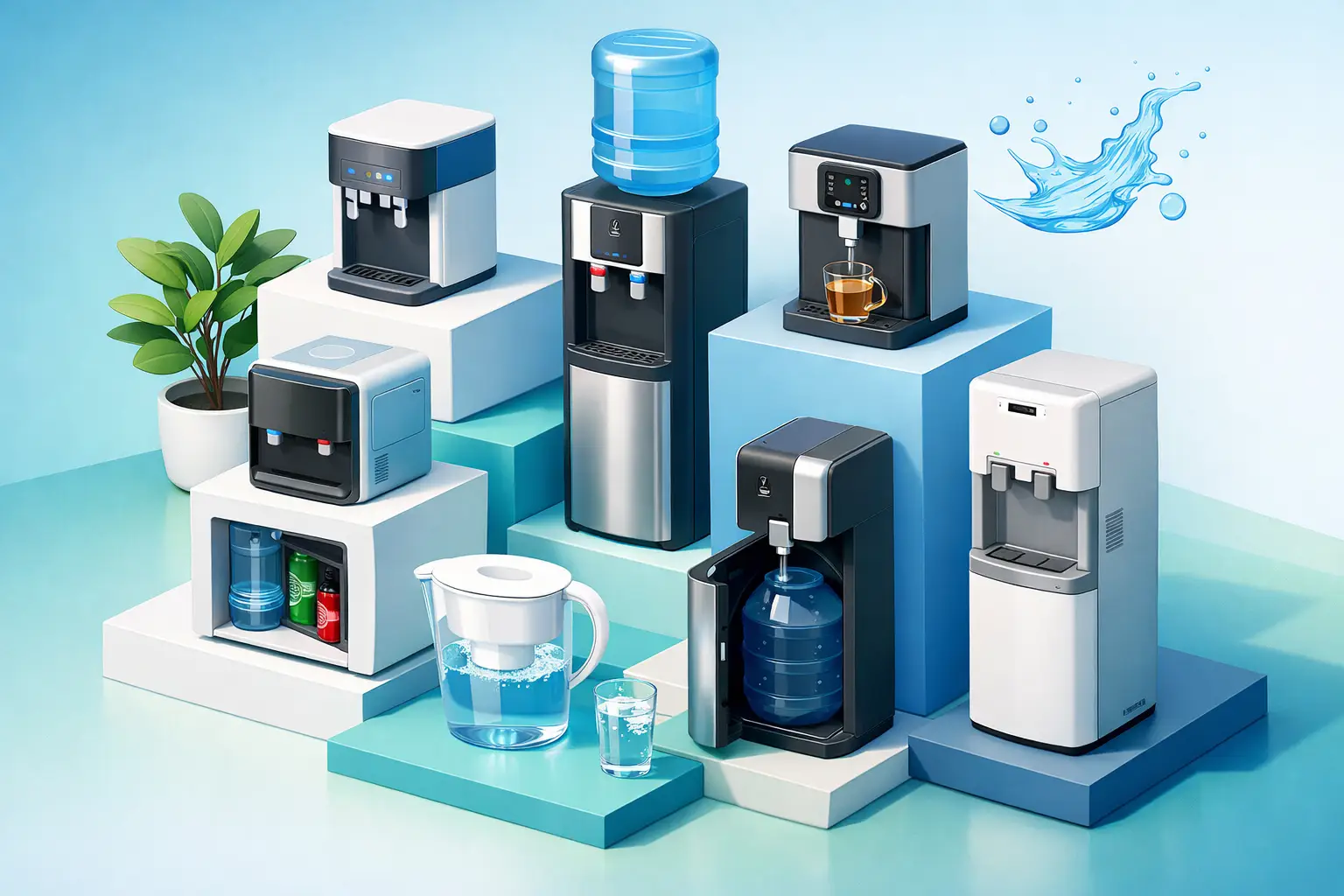
If you are comparing the best water dispenser types, the right choice usually comes down to one simple question – where will it be used every day? A family kitchen, a studio apartment, a busy office, and a resale showroom all need something different. Capacity, bottle position, cooling method, footprint, and maintenance matter more than flashy features.
For most buyers, a water dispenser is not just a convenience item. It is a daily-use appliance that needs to work reliably, fit the available space, and keep ownership simple. That is why it helps to look at dispenser types by actual use case, not just by appearance.
Best water dispenser types for different spaces
There is no single model that fits everyone. The best water dispenser types are the ones that match your room size, water consumption, and budget without adding unnecessary cost.
A compact apartment usually benefits from a tabletop unit. A larger family home may need a bottom-load or freestanding dispenser with stronger cooling. Offices often prioritize high-volume use and easy bottle replacement. Wholesale buyers and resellers may look for the types with the broadest customer appeal and the fewest service issues.
Top-load water dispensers
Top-load dispensers are still one of the most common options because they are easy to understand, widely available, and usually cost less than more advanced designs. The bottle sits on top, so users can immediately see the remaining water level. For many households and offices, that visibility is a practical advantage.
The trade-off is obvious. Lifting a heavy water bottle onto the top can be difficult, especially for older users or anyone who wants a more convenient setup. Top-load models also have a more traditional look, which may not suit every modern kitchen.
That said, this type remains a strong value choice. If your priority is dependable hot and cold water at a competitive price, a top-load unit often makes sense. It is also a practical option for trade buyers because it serves a wide range of customers and tends to be easy to explain and sell.
Bottom-load water dispensers
Bottom-load models are popular for buyers who want a cleaner look and easier bottle replacement. The bottle is stored inside a lower cabinet, so you do not need to lift it overhead. That one change can make daily use much more comfortable.
They also tend to look more premium in kitchens, waiting areas, and office spaces. For customers who care about design as much as function, this type has a clear advantage. It keeps the bottle hidden and gives the appliance a neater finish.
The downside is price. Bottom-load dispensers usually cost more than top-load alternatives, and because the bottle is concealed, you cannot check the water level at a glance unless the model includes an indicator. Even so, for families and office buyers who want convenience and a more polished appearance, this is often one of the best upgrades.
Tabletop water dispensers
A tabletop dispenser is built for limited space. It sits on a counter, side table, or pantry shelf and works well in apartments, small kitchens, reception desks, and compact work areas. If floor space is tight, this type solves the problem quickly.
It is also a smart pick for users who do not need large daily output. A couple, a small family, or a low-traffic office may not need a full-size freestanding unit. In those cases, a tabletop model offers the same basic convenience in a smaller footprint.
The limitation is capacity and presence. It takes up usable counter space, which can matter in kitchens where every inch counts. It also may not feel substantial enough for high-demand environments. Still, for practical daily hydration in a smaller setting, it is one of the best value options available.
Freestanding water dispensers
Freestanding dispensers are the standard choice for many homes and workplaces because they balance capacity, performance, and visibility. They are easy to place, easy to access, and generally better suited to regular group use than compact countertop units.
This category includes both top-load and bottom-load designs, but the key point is scale. A freestanding unit usually feels more appropriate in family homes, offices, shops, staff rooms, and shared spaces where multiple people use the appliance throughout the day.
If you need an all-around solution with a strong hot and cold water function, this is usually the safest category to start with. Buyers looking for fast delivery across the UAE, official warranty, and direct wholesale pricing often focus here because these units cover the widest range of day-to-day needs.
Bottleless or direct-line dispensers
Bottleless dispensers connect directly to a water line instead of using replaceable bottles. For high-volume office use, this can be a very efficient setup. There is no bottle storage issue, no heavy lifting, and less interruption once installed properly.
For some buyers, this is the most convenient option long term. It can reduce recurring bottle handling and create a cleaner supply process in busy workplaces. In commercial environments, that can save time.
But it is not for everyone. Installation is more involved, and the quality of the incoming water supply matters. This type usually makes less sense for renters, temporary spaces, or customers who want quick plug-and-play setup. It can be excellent in the right setting, but it is a more specific solution than a standard bottled dispenser.
Hot and cold dispensers
Many shoppers think of hot and cold features as standard, but not every unit performs the same way. A hot and cold dispenser is ideal for homes and offices that want chilled water and instant hot water for tea, coffee, or quick meal prep.
This combination adds real daily convenience. In office settings, it reduces dependence on kettles. In homes, it saves time during busy mornings or family routines. For buyers who want one appliance to handle multiple needs, hot and cold models are usually the strongest choice.
The main thing to check is actual performance, not just labels. Cooling strength, heating speed, tank size, and safety features all matter. If children are in the home, a child safety lock on the hot tap is not optional – it is a practical requirement.
Normal and cold dispensers
Some users do not need hot water at all. In that case, a normal and cold dispenser can be the more sensible purchase. It often keeps the operation simple and can be a cost-effective option for warm climates, gyms, basic office use, or customers focused mainly on drinking water.
This type is especially appealing when budget matters. If hot water will rarely be used, paying more for that feature may not be worth it. You also avoid some of the safety concerns tied to heated water systems.
For straightforward hydration with fewer extras, this type remains a smart buy. It may not have the widest feature list, but for the right customer, it offers better value because nothing is wasted.
How to choose from the best water dispenser types
The fastest way to narrow down the best water dispenser types is to compare four factors: user volume, available space, bottle handling, and feature needs. A busy office with multiple users should not shop the same way as a single-person apartment. A customer who wants easy bottle replacement should not settle for a top-load model just because the upfront price is lower.
It also helps to think about service and ownership, not just the sale price. A dispenser with reliable build quality, simple controls, and official warranty support is usually the better long-term purchase. That matters even more for business buyers and resellers, where product consistency affects customer satisfaction and repeat sales.
Design should come after function, but it still counts. If the unit will be placed in a visible kitchen or reception area, the finish and bottle placement can influence the final choice. A modern bottom-load unit may justify the extra cost if it better fits the room and gets used more comfortably every day.
For wholesale buyers, the strongest inventory picks are often the models with broad household appeal: freestanding hot and cold units, practical top-load options, and select bottom-load designs for customers shopping a more premium look. That mix covers value buyers and convenience buyers at the same time.
The best choice is usually the one that fits your routine without creating extra work. Buy for the way people actually drink water, refill bottles, use kitchen space, and manage daily traffic. When those basics line up, the dispenser stops feeling like another appliance and starts feeling like a useful part of the room.