
Blog
Best Tabletop Water Dispenser for Office Use

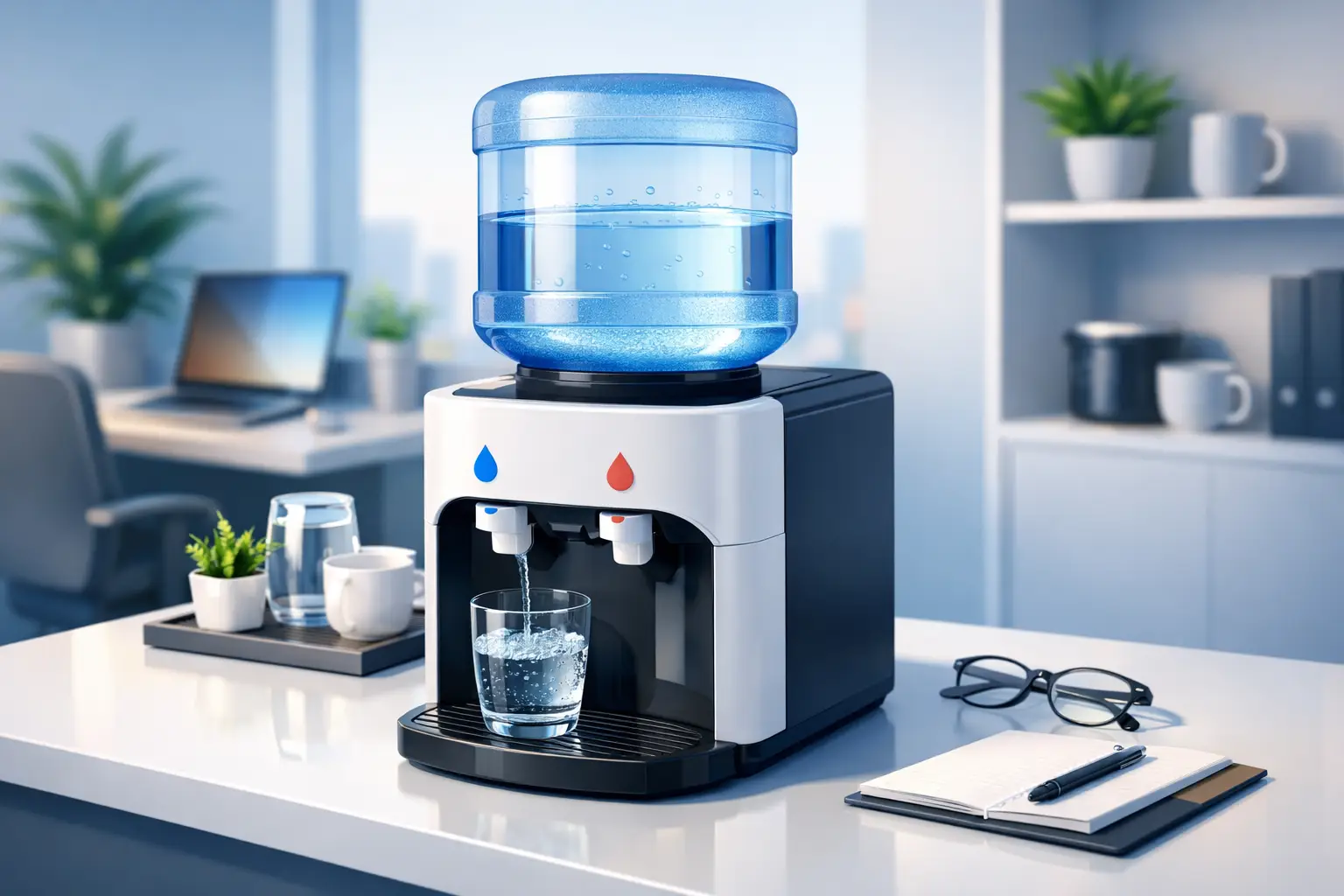
The fastest way to make a small office feel better is surprisingly simple: stop sending people to the pantry for lukewarm bottled water. A good tabletop water dispenser for office use takes up very little space, keeps drinking water easy to access, and removes one of those daily annoyances that staff notice more than managers think.
For small teams, reception areas, clinics, salons, shared workspaces, and back offices, a countertop model often makes more sense than a full-size standing unit. It costs less, fits tighter spaces, and still delivers the one thing people want right away – cold or room-temperature water without the mess of loose bottles on a counter.
Why a tabletop water dispenser for office setups makes sense
Not every workplace needs a large floor-standing dispenser. If your team is small, your pantry is compact, or your office layout changes often, a tabletop unit gives you more flexibility. It sits on a stable counter, uses vertical space efficiently, and usually has a lighter footprint for delivery, setup, and repositioning.
There is also a practical cost advantage. In many offices, the water demand is moderate rather than heavy. Buying a large-capacity machine for six to ten people can mean paying for size and output you may never fully use. A tabletop water dispenser for office environments is often the better fit when the goal is everyday convenience without overspending.
The other reason is presentation. A clean, modern countertop dispenser looks organized in a reception desk area, pantry corner, or meeting room shelf. That matters if clients, staff, or visitors use it throughout the day.
What to check before you buy
The right model depends on how your office actually works. A product that performs well in a home kitchen may not be ideal for a busy front desk, and a dispenser that looks compact online may still feel bulky on a crowded counter.
Capacity and daily usage
Start with the number of users. A small office with three to five people can usually work well with a compact tabletop dispenser. If you have ten or more people using it regularly, you need to think beyond size and consider refill frequency, cooling recovery time, and whether one unit is enough.
If staff fill large bottles all day, a very small dispenser may become frustrating. If use is occasional, a basic model can be more than enough. This is where many buyers go wrong – they buy by appearance instead of usage pattern.
Cold, hot, or normal water
For office use, cold water is usually the main requirement. In some workplaces, hot water is also useful for tea, coffee, or instant drinks. That said, not every office needs a hot-and-cold model. If children, visitors, or high foot traffic are part of the environment, some buyers prefer to avoid hot water unless the unit has a proper child safety lock.
A cold-and-normal dispenser is often the most practical middle ground. It covers daily hydration needs, keeps power use simpler, and reduces the risk that comes with hot dispensing.
Counter space and placement
Measure the location before ordering. This sounds basic, but it saves a lot of trouble. Check width, depth, and the clearance above the dispenser if you are using a top-loading bottle system. Some office counters look spacious until you add a bottle, cups, cable routing, and nearby appliances.
Also think about access. A dispenser should be easy to approach, easy to refill, and placed away from direct sunlight or heat-generating appliances when possible.
Hygiene and ease of cleaning
Office appliances need simple maintenance. A dispenser that is difficult to wipe down or has awkward drip tray access will quickly look neglected. Look for features like a removable drip tray, smooth exterior surfaces, and dispensing taps that are easy to clean.
This matters even more in shared environments. The easier it is to maintain, the more likely the office will actually keep it clean.
Features that add real value
Some features sound impressive in a product listing but make very little difference in real use. Others save time every week.
Cooling performance is one of the first things worth paying for. If the dispenser takes too long to chill water after a few uses, staff will notice. A stable cooling system matters more than decorative design details.
Build quality is another one. In office settings, taps, buttons, and trays are used repeatedly by different people. Weak plastics and loose parts wear out faster. A slightly better-built unit often gives better value over time, especially if you are buying for a business and not just occasional home use.
Noise level also deserves attention. In a pantry, it may not matter much. In a reception area or quiet office corner, it does. Some compact dispensers are efficient but produce noticeable operational noise. If the dispenser sits close to desks, a quieter unit is the smarter choice.
And then there is warranty support. For office buyers, this is not a small detail. A water dispenser is a practical appliance, not a decorative purchase. If something goes wrong, you want clear after-sales support, available parts, and a warranty that gives confidence.
Tabletop vs floor-standing dispenser
If you are deciding between a countertop model and a standing model, the choice usually comes down to demand and layout.
A floor-standing unit is better when many people use it all day and you have enough floor space to dedicate to it. It can feel more substantial and may offer larger internal capacity. But it also takes up room, is harder to reposition, and can be excessive for a compact office.
A tabletop water dispenser for office buyers is the better option when space is limited, consumption is moderate, and the goal is practical convenience at a lower cost. It is also easier for small businesses, clinics, shops, and apartment-based offices where every square foot matters.
Good fit for small offices, clinics, and reception counters
This type of dispenser works especially well in businesses that need dependable access to water without installing a large appliance. A small accounting office, beauty salon, pharmacy back room, and customer waiting area all benefit from a compact setup.
It also makes sense for temporary office spaces and growing teams. If your business relocates or expands often, smaller appliances are easier to move and reuse. That flexibility has value, especially when you are managing operating costs carefully.
For trade buyers and resellers, countertop dispensers can also be easier to stock and deliver because they are compact, practical, and attractive to a broad customer base.
Cost, power use, and long-term value
Price matters, but the cheapest dispenser is not always the most affordable one to own. A low-cost unit that cools poorly, leaks, or lacks proper support can cost more in downtime and replacement.
The better buying approach is to compare purchase price with expected daily use, energy consumption, and durability. For a small office, a well-priced tabletop model with steady cooling, straightforward maintenance, and warranty protection usually gives the best return.
This is where buying from a reliable appliance supplier matters. Availability, fast delivery across UAE, and official warranty support are not extras. They are part of the product value. For businesses that want practical appliance choices at direct wholesale pricing, stores such as Perfect Bazzar appeal because they combine product range with local support.
Common mistakes office buyers make
One common mistake is choosing a unit that is too small for the team. It may look neat on the counter, but if people are constantly waiting for cold water to recover, the experience feels poor.
Another is ignoring the counter height and bottle loading process. If the dispenser sits on a high shelf and uses heavy top-loaded bottles, refilling can become inconvenient. A better setup is one that the office can manage easily every week.
Some buyers also focus too much on design and too little on cleaning. In shared office use, practical surfaces, removable trays, and dependable taps matter more than glossy styling.
Finally, many people overlook after-sales service. For office equipment, support matters because replacement delays affect daily use.
How to choose with confidence
The simplest way to choose the right dispenser is to match the appliance to three things: number of users, available space, and required water temperature options. Once those are clear, the shortlist gets much easier.
If your office is compact and needs a clean, efficient hydration solution, a tabletop model is often the right answer. Prioritize cooling performance, easy cleaning, practical dimensions, and warranty-backed reliability over fancy extras.
A good dispenser should quietly do its job every day without taking over the room or the budget. That is what makes it a smart office appliance purchase, not just another item on the pantry counter.
When your team has easy access to clean, chilled water, the benefit shows up in small ways all day long – fewer interruptions, better comfort, and a workspace that feels properly equipped.