
Blog
Best Mixer for Cake Batter: What to Choose

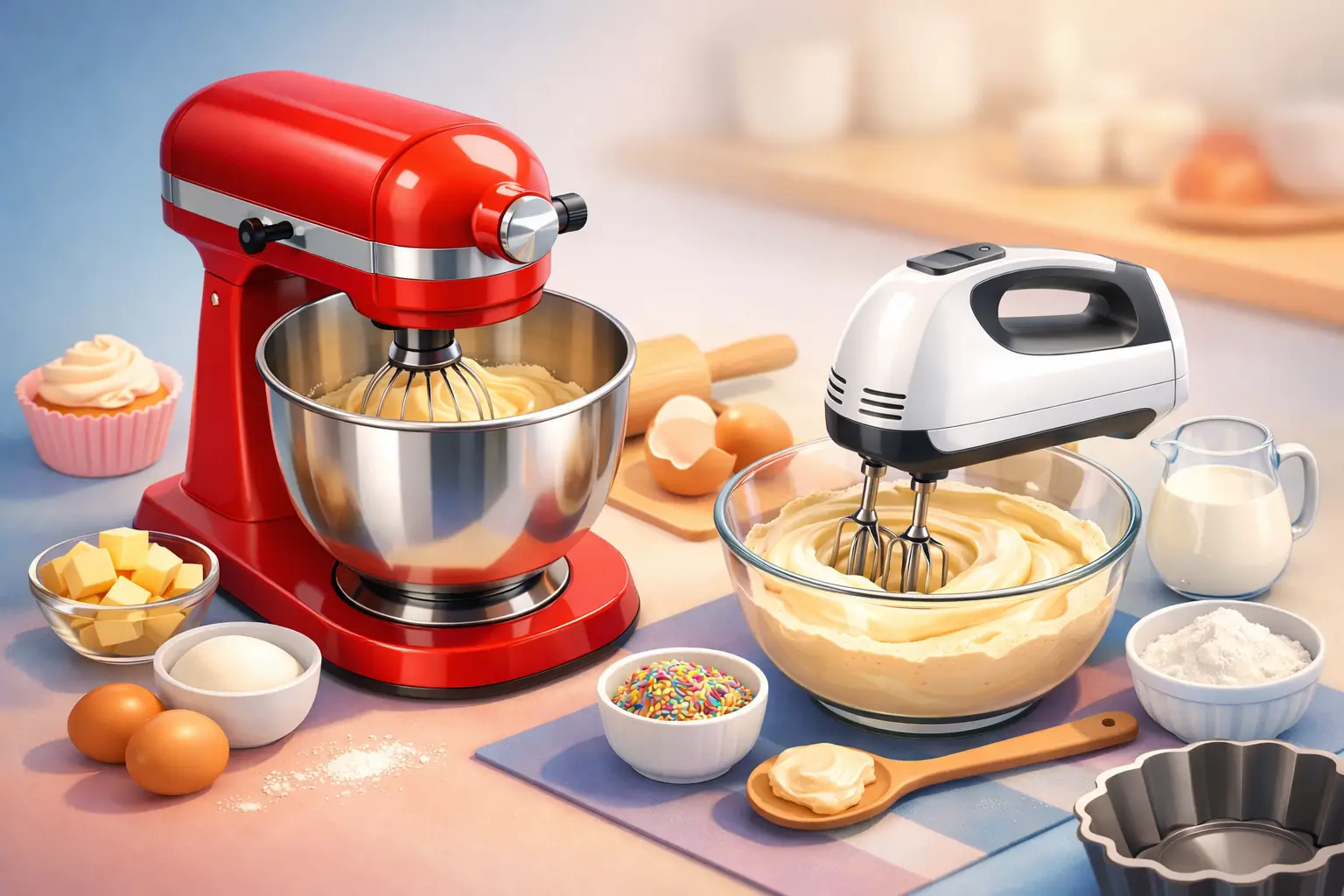
A cake batter that turns out dense, uneven, or overmixed usually points to one thing fast – the wrong machine for the job. Choosing the right mixer for cake batter is less about buying the biggest appliance and more about matching power, capacity, and control to the way you actually bake.
If you bake once in a while, a basic model may do everything you need. If you prepare birthday cakes, celebration bakes, or larger family batches every week, the difference between a light-duty mixer and a well-built one becomes obvious very quickly. Better mixing saves time, improves texture, and reduces the effort of kneading, whipping, and creaming.
Why the right mixer for cake batter matters
Cake batter is not as simple as stirring wet and dry ingredients together. Good cake texture depends on proper aeration, even ingredient distribution, and controlled mixing speed. A weak mixer can struggle when butter is cold, when batter gets thicker, or when you are working with larger quantities.
That leads to common problems: unmixed flour at the bottom of the bowl, butter and sugar that never cream properly, or batter that gets overworked because the machine needs extra time to finish the job. A suitable mixer gives you consistent rotation, enough motor strength, and speed settings that let you mix gently when needed.
For many buyers, this is also a value decision. A low-priced appliance that cannot handle regular baking often ends up costing more in replacement and frustration. A solid, warranty-backed mixer with dependable performance usually makes better financial sense over time.
Hand mixer or stand mixer for cake batter?
This is the first choice most buyers need to make. Both types can work well, but they suit different kitchens and different baking habits.
Hand mixers
A hand mixer is a practical option for smaller kitchens, apartment living, and occasional baking. It is compact, easy to store, and usually more affordable. For simple sponge cakes, pancake batter, whipped cream, and light frosting, a decent hand mixer can perform very well.
The trade-off is capacity and convenience. You need to hold and guide it the whole time, and it may struggle with thicker mixtures or repeated use. If you bake one or two cakes a month, that may be perfectly fine. If you bake every weekend, it can start to feel limiting.
Stand mixers
A stand mixer is a better fit for frequent baking, larger families, and buyers who want more control with less manual effort. It keeps the mixing action steady, frees your hands, and handles creaming, whipping, and heavier batters more efficiently. Bowl capacity is also a major advantage.
The trade-off is size and price. A stand mixer takes counter space and costs more upfront. But for regular cake baking, especially if you also make dough, frosting, or meringue, it often delivers better long-term value.
What to look for in a mixer for cake batter
Not every mixer marketed for baking is built the same. The main features below affect performance far more than appearance.
Motor power
Motor power matters, but more watts do not automatically mean better mixing. What you want is stable performance under load. For light hand mixers, moderate power can be enough. For stand mixers, stronger motor performance helps with thicker batters and longer mixing sessions.
If your recipes often include butter-based cake batters, fruit cake mixtures, or multiple batches, avoid very weak models. They may overheat, slow down, or leave uneven results.
Speed settings
Cake batter needs control. High speed is useful for whipping cream or egg whites, but many cake steps benefit from low to medium speed. That includes folding in dry ingredients or creaming butter and sugar without making a mess.
A good mixer should offer several clearly usable speeds instead of just one weak setting and one overly aggressive setting. Smooth speed transitions make it easier to avoid overmixing.
Bowl size and batch capacity
If you usually bake for a family, a standard bowl may be enough. If you prepare layered cakes, celebration cakes, or bake for events, a larger bowl becomes much more practical. Buyers often underestimate how useful extra bowl capacity is until they need to double a recipe.
For wholesale buyers, small bakeries, or resellers selecting stock, capacity is one of the easiest ways to match a model to customer needs. Compact units suit apartments and casual users. Larger units appeal to serious home bakers and higher-volume kitchens.
Attachments
For cake batter, the most useful attachments are standard beaters, a whisk, and in some cases a dough hook. The beater design affects how evenly ingredients combine and how much batter sticks to the sides.
A whisk adds value if you also make whipped cream, mousse, or meringue. A dough hook matters less if your focus is only cakes, but it increases versatility.
Build quality and stability
A mixer should feel steady in use. Lightweight units that vibrate excessively or wobble at medium speed can be frustrating and less safe. On stand mixers, strong bowl locking and a stable base are worth paying attention to. On hand mixers, handle comfort and balanced weight matter more than many buyers expect.
Ease of cleaning
Easy cleaning saves time after every bake. Smooth housing, dishwasher-safe attachments, and bowls that rinse clean quickly all add real convenience. This is especially important for frequent users who do not want maintenance to become a chore.
Which type of baker needs which mixer?
The best choice depends on how often you bake and what else you expect from the appliance.
If you are a casual home baker, a compact hand mixer is often the smart buy. It covers basic cake batter tasks, takes up little space, and keeps cost under control.
If you are a family baker preparing cakes, frostings, and occasional bread or dessert recipes, a mid-range stand mixer usually offers the best balance of performance and price. You get more consistency without stepping into oversized commercial equipment.
If you bake in volume, sell cakes from home, or purchase appliances for resale, a heavier-duty stand mixer is the better direction. Reliability, bowl size, and motor endurance matter more than entry-level pricing in that case.
Common mistakes when buying a cake batter mixer
Many buyers choose based on appearance first and specifications second. That often leads to disappointment. A stylish mixer with low power, limited speeds, or poor stability may look good on the counter and still underperform.
Another common mistake is buying too small to save money. If the bowl is tight for your normal recipe size, mixing becomes messy and less efficient. On the other hand, buying too large for a very small kitchen can also be impractical. The right fit depends on your actual routine, not the biggest model available.
Warranty support should not be overlooked either. Kitchen appliances are used repeatedly, sometimes under heavy load. Official warranty coverage adds confidence, especially for buyers who want dependable ownership rather than a short-term purchase.
Value matters more than the lowest price
A cheap mixer can look attractive at checkout, but real value comes from consistent results, usable features, and product lifespan. That is especially true for appliances used in busy households or shared family kitchens.
For many shoppers, the better buying question is not What is the cheapest mixer for cake batter? It is Which model gives me the best performance for the price I am willing to spend? That shift usually leads to a better purchase.
This is where a practical retail approach matters. Brands and suppliers that focus on functional specs, official warranty, and fast delivery give buyers more confidence than sellers who only promote discount pricing. For customers comparing kitchen appliances, that balance of price and reliability is what makes a product worth keeping.
How to choose with confidence
Start with your baking frequency. Then look at kitchen space, recipe size, and whether you want a single-purpose cake mixer or a more versatile machine. If you only bake occasionally, keep it simple. If baking is a regular part of your home routine or business activity, buy for performance, not just convenience.
A reliable mixer should make cake preparation easier from the first use. It should cream butter smoothly, combine ingredients evenly, and help you produce better texture without extra effort. That is the standard worth paying for.
For shoppers who want dependable kitchen appliances at a practical price point, LIGHT PERFECT TRADING L.L.C follows the buying priorities that matter most – performance, value, fast delivery, and official warranty support.
The right mixer will not make every cake perfect on its own, but it will remove many of the problems that start before the batter even reaches the oven. Buy the one that fits your batch size, your kitchen, and your routine, and baking becomes simpler every single time.