
Blog
Are Water Dispensers Safe for Daily Use?

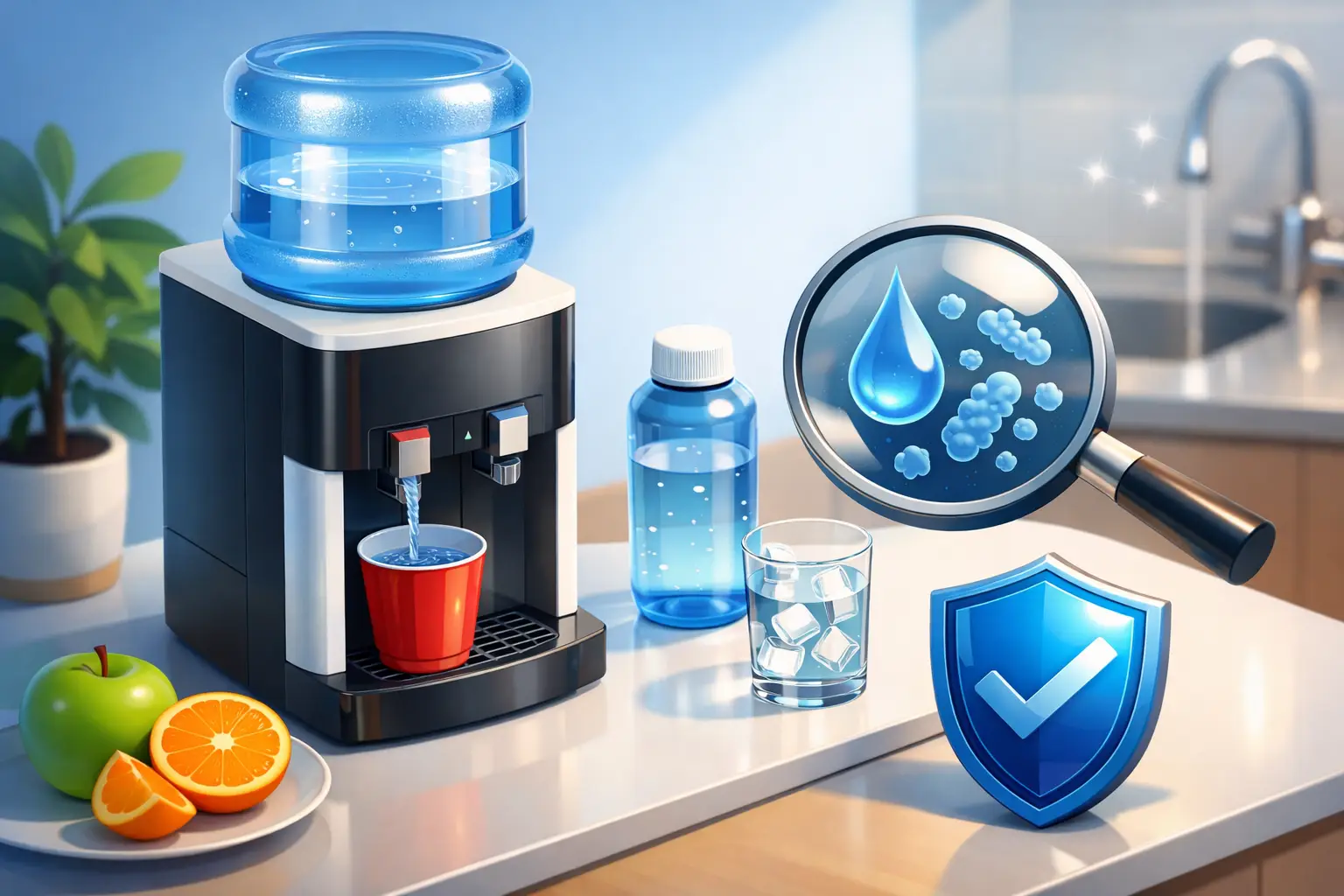
A water dispenser can make daily life easier fast – cold water on demand, hot water for tea, and less lifting compared with heavy bottled packs. But the real question most buyers ask before bringing one home or placing one in an office is simple: are water dispensers safe? The short answer is yes, when you choose the right unit, use it properly, and keep it clean.
That answer matters because safety is not only about the water itself. It also depends on the appliance design, the materials used, the hygiene of the tank and taps, and whether the dispenser includes basic protection features like child safety locks and overheating control. For homes, offices, and bulk buyers, a safe dispenser is one that performs consistently and is easy to maintain over time.
Are water dispensers safe when used correctly?
In normal day-to-day use, water dispensers are generally safe. Most modern units are designed for regular household or office use and include standard protections that reduce common risks. If the dispenser is built with food-safe materials, has a stable structure, and is cleaned on schedule, it can provide reliable drinking water with no unusual safety concern.
Where problems usually start is not with the concept of a water dispenser itself, but with poor maintenance or low-quality construction. A neglected unit can collect bacteria around taps, inside drip trays, or in internal water lines. A cheaply made unit may use lower-grade plastic, weak heating systems, or poor insulation. That is why buyers should look beyond price alone and focus on build quality, warranty, and practical safety features.
What makes a water dispenser safe or unsafe?
The biggest factor is hygiene. Any appliance that stores or dispenses water can become a problem if it is not cleaned regularly. Moist areas naturally attract buildup, and once residue forms around a nozzle or inside a tank, water quality can suffer. This is especially relevant in warm environments or in busy shared spaces where a dispenser is used all day.
The second factor is temperature safety. Hot and cold dispensers are convenient, but hot water taps need extra care. A good model should have a child safety lock, clear tap labeling, and stable temperature control. In family homes, that lock is not optional. In office settings, it helps prevent accidental burns during busy hours.
Material quality also matters. Food-contact parts should be made from safe, durable materials that do not affect taste or break down easily with repeated use. Buyers often overlook this point, but it has a direct effect on long-term safety and performance. Better materials usually mean easier cleaning, better durability, and less risk of odor or taste transfer.
Hygiene is the real deciding factor
If you ask whether water dispensers are safe, the most honest answer is that cleanliness decides a lot. Even a well-designed machine needs routine care. The taps should be wiped, the drip tray emptied and washed, and any internal tank or reservoir maintained based on the manufacturer’s instructions.
For bottled dispensers, bottle handling matters too. If a bottle neck is touched with dirty hands before installation, contaminants can be introduced immediately. For plumbed units, filter condition and water source quality play a major role. In both cases, neglect is what creates risk, not the dispenser category itself.
A clean dispenser is usually very safe. A dirty dispenser is not. That is the practical line buyers should keep in mind.
How often should a dispenser be cleaned?
Frequency depends on use. A home unit serving a small family may need light weekly cleaning and deeper scheduled sanitizing. An office dispenser with constant use may need more frequent attention. High-traffic areas should never wait until odor, stains, or slow flow appear.
The better approach is preventive maintenance. That keeps water tasting fresh, helps the appliance last longer, and reduces the chance of bacterial buildup. It also protects the value of the purchase, which matters for both household buyers and resellers managing multiple units.
Safety features worth paying for
Not all dispensers offer the same level of protection. If safety is a priority, and it should be, certain features make a clear difference.
A hot water child lock is one of the most important. This is especially useful in homes with children, apartment kitchens with limited space, and office pantries where people may use the dispenser in a hurry. Overheat protection is another practical feature because it helps protect internal components and lowers the chance of malfunction.
A stable base matters more than many buyers expect. A dispenser that rocks or feels top-heavy is not ideal, especially in family homes or shared spaces. Anti-slip feet, solid construction, and clearly marked controls all add to daily safety. Some models also offer covered taps or touch-free dispensing, which can support better hygiene in high-use environments.
Bottled vs. plumbed models
Both types can be safe, but each has trade-offs.
Bottled water dispensers are convenient and simple to set up. They work well in apartments, homes, and offices that want flexibility without plumbing changes. Safety depends on proper bottle storage, careful installation, and regular cleaning of the contact area. Bottles should be stored away from heat and direct sunlight to help preserve water quality.
Plumbed dispensers remove the need to lift and replace bottles, which can be a major advantage for busy offices and commercial spaces. They can be very safe when connected properly and maintained on schedule. The key issue is filter replacement and line sanitation. If filters are overdue or lines are ignored, performance and water quality can decline.
So which is safer? Neither is automatically safer in every case. A well-maintained bottled unit is safer than a neglected plumbed one, and the reverse is also true.
Are hot and cold dispensers safe for families?
Yes, but families should be more selective. A basic cold-only dispenser is straightforward and usually low risk. A hot and cold model adds convenience, but it also adds one obvious hazard: very hot water.
That does not mean families should avoid them. It means they should buy carefully. Look for a model with a reliable hot water lock, easy-to-read controls, and a design that keeps taps at a practical height. If young children are in the home, placement matters too. A unit should be positioned where adults have easy access but children cannot play with the controls unsupervised.
For many households, the right model actually improves safety compared with boiling water repeatedly in a kettle, especially when adults want quick access without carrying hot containers across the kitchen.
What buyers should check before purchasing
A safe purchase starts with a few basic questions. Is the dispenser made for regular daily use? Does it include hot water protection if needed? Is it easy to clean? Does it come with warranty support? Can replacement parts or service be handled locally if required?
These points are practical, not cosmetic. Safety is stronger when the unit is built for real use and backed by proper support. That is why many buyers prefer a trusted appliance seller instead of taking a chance on unknown stock with unclear specifications.
For trade buyers and resellers, this matters even more. A dispenser may look similar across listings, but actual safety and reliability often come down to internal components, manufacturing consistency, and after-sales support. Official warranty coverage is not just a sales feature – it is part of a safer ownership experience.
Common mistakes that reduce dispenser safety
Most dispenser problems are avoidable. Skipping cleaning for too long is the most common issue. Using damaged bottles, ignoring worn taps, or placing the unit in direct heat can also affect safety and performance. Another mistake is buying a model that does not match the setting. A light-use home model may not be ideal for a busy office, while a large freestanding unit may be excessive for a compact apartment kitchen.
Installation matters too. The dispenser should sit on a flat, stable surface with enough clearance for ventilation if the design requires it. Crowding it between cabinets or placing it in a dusty utility area can make maintenance harder and shorten product life.
The practical answer for everyday buyers
So, are water dispensers safe? Yes, for most homes and offices they are a safe and practical appliance when quality, cleaning, and basic safety features are not treated as optional. The safer choice is usually not the cheapest unit on the page. It is the one with dependable construction, easy maintenance, and protection features that fit the space where it will be used.
If you are buying for a family kitchen, a small office, or resale stock, think like a long-term owner. Choose a dispenser that is easy to sanitize, stable in daily use, and backed by clear warranty support. That is the kind of product that delivers convenience without adding worry – and that is what a good appliance should do.