
Blog
How to Descale Water Dispenser Fast

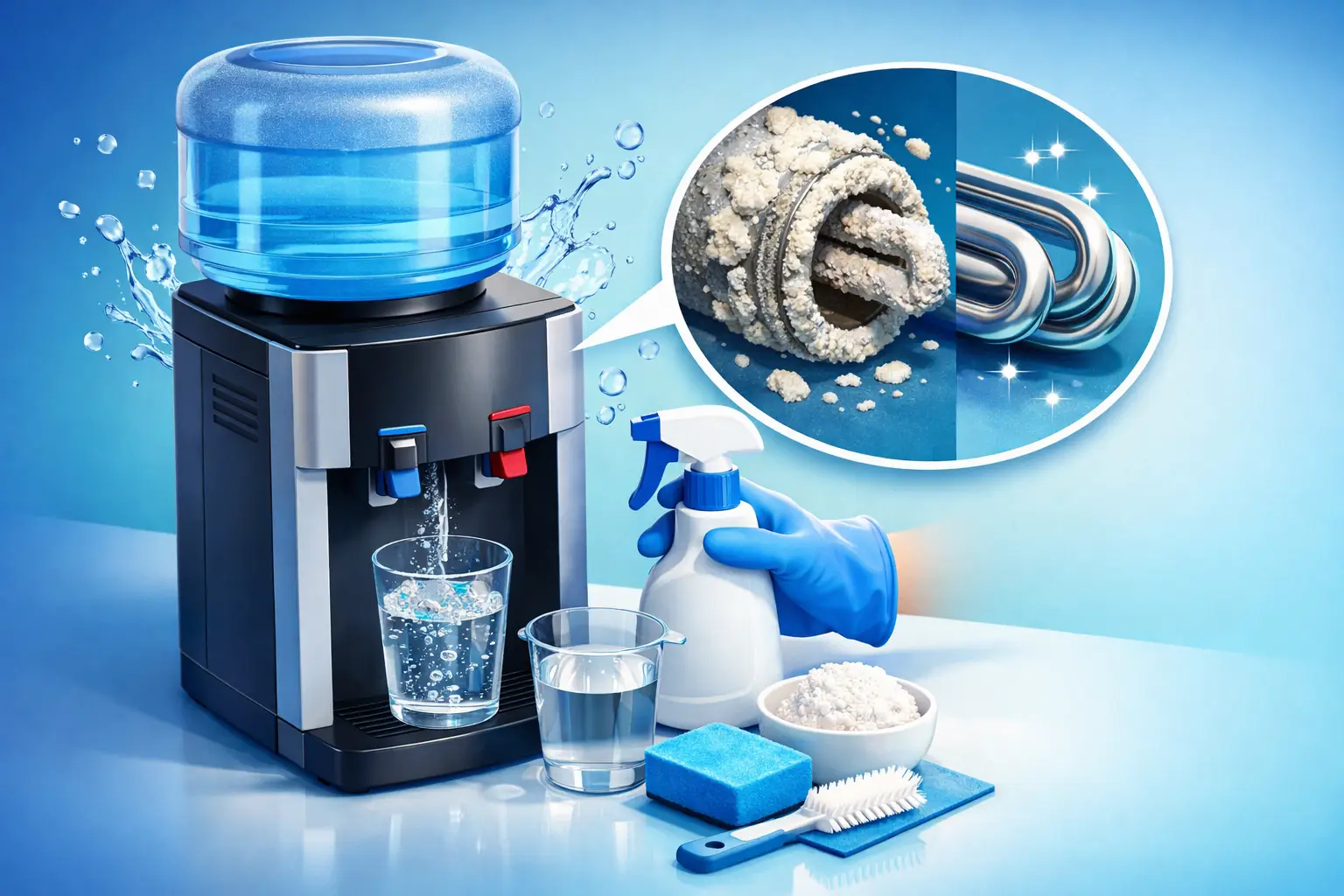
If your dispenser starts making water taste flat, heats more slowly, or leaves white chalky marks around the tap area, scale is usually the reason. Knowing how to descale water dispenser units the right way helps protect performance, improve water taste, and extend the life of the appliance without costly repairs.
Water dispensers work hard every day in homes, apartments, offices, and shared spaces. In areas with hard water, mineral buildup forms faster inside tanks, pipes, and heating parts. That buildup can reduce water flow, affect temperature, and make a good dispenser feel unreliable long before its time.
Why descaling matters more than most users expect
Limescale is not just a cosmetic issue. It collects inside the machine where you cannot easily see it, especially around heating elements and internal channels. When that happens, the dispenser may need more energy to heat water, the hot function may become inconsistent, and the taps can start dripping or slowing down.
For office buyers and family households, regular descaling is a simple maintenance habit that protects daily convenience. For resellers and bulk buyers, it also matters because proper care reduces after-sales issues and keeps appliances performing the way customers expect under warranty.
How to descale water dispenser safely
Before you start, check the user manual for any model-specific instructions. Some dispensers have cleaning recommendations that should always come first, especially if they include special internal tanks, child-lock hot taps, or built-in filtration parts.
In most standard top-load and countertop dispensers, the process is straightforward. You will need white vinegar or a manufacturer-approved descaling solution, clean water, a soft cloth, and a container or bucket to catch drained water. Avoid harsh chemicals, strong bleach mixes for descaling, or abrasive scrubbers. Those can damage plastic surfaces, seals, and internal parts.
Step 1: Unplug the dispenser
Start by turning the dispenser off and unplugging it. If the unit has hot and cold switches on the back, switch both off first. This matters for safety, and it also gives internal parts time to cool if the hot tank was recently in use.
Remove the water bottle if your model uses one. Then drain any remaining water from both taps into a sink or bucket.
Step 2: Empty the tanks completely
Many dispensers have a drain plug at the back or bottom. Open that carefully and let the internal water empty out fully. This step is easy to skip, but it makes the descaling solution more effective because it reaches the mineral buildup directly instead of mixing with leftover water.
If your dispenser has removable drip trays or external parts, take them off and wash them separately with mild soap and warm water.
Step 3: Add the descaling solution
For a common home method, mix white vinegar with clean water in roughly equal parts, unless your manual recommends a different ratio. Pour the solution into the reservoir or tank area where water normally enters.
If you are using a commercial descaler, follow the label instructions exactly. A stronger solution is not always better. Too much concentration can leave odor behind or affect internal components.
Step 4: Let it sit
Once the tank is filled with the descaling mixture, let it sit for 15 to 30 minutes. In dispensers with heavier scale buildup, you may need a little more time, but there is no benefit in letting vinegar sit for hours unless the manufacturer recommends it.
This waiting period gives the solution time to loosen mineral deposits inside the lines and tank walls.
Step 5: Run the solution through the taps
After soaking, dispense some of the solution through both the hot and cold taps. This is the part many users miss. If the solution only sits in the main tank, it may not clean the tap lines where buildup often collects.
Use a container and be careful if the dispenser still holds any heat in the hot side. Even during cleaning, treat the hot tap with caution.
Step 6: Drain and rinse thoroughly
Drain the machine completely again using the taps and drain plug. Then refill it with clean water and flush the system several times. Usually, two to three full rinses are enough, but if any vinegar smell remains, do one more.
A proper rinse is what separates a quick cleanup from a good one. If you rush this part, water taste can be affected afterward.
Common mistakes when descaling a water dispenser
The biggest mistake is waiting too long. Once scale buildup becomes thick, cleaning takes longer and dispenser performance may already be affected. Another common problem is using the wrong cleaner. Acid-based household products that are too aggressive can damage surfaces, while scented cleaners can leave residue that should never contact drinking water.
Some users also forget to flush both taps, or they clean only visible areas like the tray and nozzles. That improves appearance, but it does not remove internal scale. If your dispenser still performs poorly after descaling, there may be a deeper blockage or a worn internal component that needs service.
How often should you descale?
It depends on usage and water quality. In a small household using bottled water, every 2 to 3 months may be enough. In offices, shared kitchens, or areas with harder water, monthly checks and more frequent descaling may be the better choice.
A practical rule is to watch for early signs rather than waiting for a full performance drop. Slower heating, reduced flow, strange taste, unusual noise, or white residue near the taps all suggest it is time.
For wholesale buyers managing several units in apartments, shops, or workspaces, setting a fixed maintenance schedule saves time. Preventive cleaning is cheaper than replacing neglected appliances.
When vinegar works well – and when it may not
White vinegar is affordable, easy to find, and effective for light to moderate scale. That makes it a solid option for routine maintenance in many home and office dispensers.
But it is not perfect for every case. If scale buildup is heavy, a dedicated descaling product approved for beverage appliances may work faster and leave less odor. If your dispenser manual specifically discourages vinegar, follow the manufacturer guidance instead. Warranty protection is always worth considering before trying home cleaning shortcuts.
Extra care for the outside of the dispenser
Descaling handles the inside, but external hygiene matters too. Wipe the tap area, top section, bottle seat, and control panel with a soft damp cloth. If grime builds up around the nozzles, use a clean cloth or soft brush to remove it gently.
This is especially useful in busy offices and family kitchens where the dispenser is touched throughout the day. A clean exterior supports better hygiene and keeps the appliance looking as reliable as it performs.
If the dispenser still has problems after descaling
Sometimes scale is only part of the issue. If the water still tastes off, the cooling function is weak, or the hot water feature is inconsistent after a full cleaning, the machine may have a faulty thermostat, blocked valve, worn seal, or another internal issue.
That is where buying from a reliable supplier makes a difference. A dispenser backed by official warranty support gives you a clearer path when maintenance is no longer enough. For buyers comparing options, that matters just as much as design, tank size, or price.
If you are shopping for a new dispenser or replacing older units in bulk, choosing models that are easy to clean and supported locally can reduce downtime and simplify ownership. At perfectbazzar.com, that practical value matters – fast delivery across UAE, dependable product selection, and official warranty support all help buyers make a smarter purchase.
A simple habit that protects performance
A water dispenser does not need complicated care, but it does need regular attention. Descaling on time keeps water tasting better, supports faster heating and cooling, and helps the appliance deliver the everyday convenience you bought it for. A few careful minutes now can save you from poor performance later.