
Blog
How to Use Food Processor the Right Way

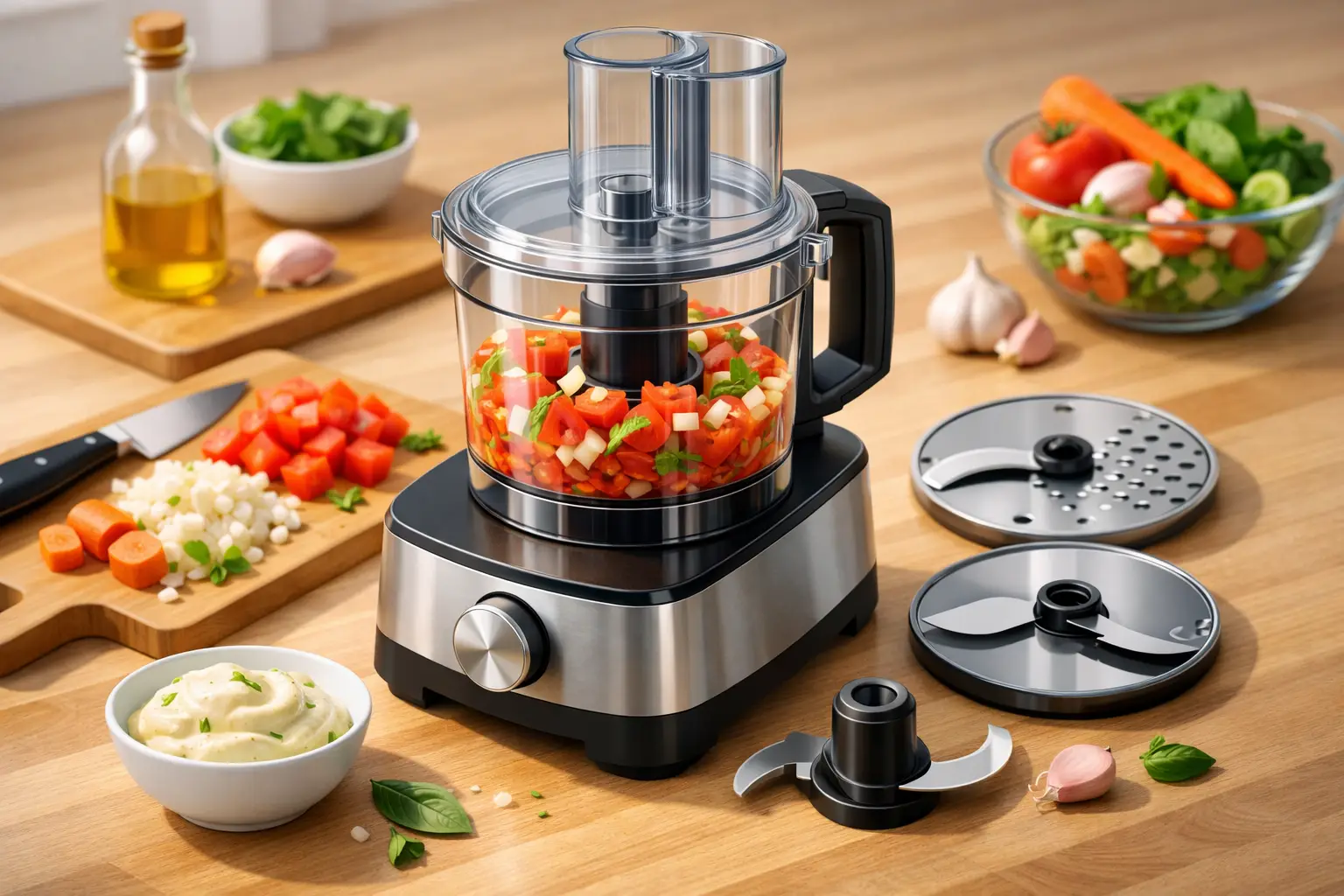
A food processor can save you 20 minutes on dinner prep and still end up pushed to the back of the cabinet because many people are not fully sure how to use food processor settings, blades, and bowl sizes correctly. The good news is that it is one of the easiest kitchen appliances to learn once you understand what each part is meant to do.
If you cook for a family, prep meals for the week, or want faster kitchen work in an apartment or office pantry, a food processor earns its place quickly. It handles repetitive tasks that take time by hand, like chopping onions, shredding carrots, slicing cucumbers, mixing dough, or turning chickpeas into smooth hummus. Used properly, it gives you speed, more even results, and less effort.
How to use food processor without guesswork
Start by identifying the basic parts. Most food processors include a motor base, a work bowl, a lid with a feed tube, and at least one blade or disc. The S-blade is usually for chopping, mixing, pureeing, and grinding soft ingredients. Slicing and shredding discs are used for vegetables, cheese, and similar prep work. Some models also include a dough blade.
Before adding food, make sure the bowl is locked onto the base and the lid is secured in place. Many units will not run unless everything is assembled correctly, which is a useful safety feature. If the processor does not start, the issue is often alignment rather than power.
Next, choose the right attachment for the job. This matters more than many buyers expect. Using the S-blade when you actually need a slicing disc can give uneven results, while trying to puree with a shredding disc simply will not work. A food processor is multifunctional, but each function depends on the correct setup.
When you are ready to process ingredients, avoid overfilling the bowl. Leave enough room for food to move around the blade. A packed bowl can lead to inconsistent cuts and put extra strain on the motor. For households that cook often, this is one reason bowl capacity is worth checking before purchase.
What each food processor function is best for
The pulse button is usually the most useful control. Pulse gives short bursts of power, which helps you control texture. It is ideal for chopping onions, making salsa, crushing breadcrumbs, or combining ingredients without turning them into paste.
Continuous run is better when you want a smoother or more consistent finish. This works well for pureed soups, nut butter, dips, or mixing ingredients for sauces. If you are making hummus, for example, pulse first to break down the chickpeas, then run continuously while adding oil or water slowly through the feed tube.
Slicing discs are best when appearance matters as much as speed. They create more even slices than a knife for cucumbers, potatoes, zucchini, or cabbage. Shredding discs are useful for carrots, cheese, and vegetables for salads or fillings. If you prep large quantities regularly, these disc functions are often the reason a food processor feels like a real upgrade instead of just another appliance.
Dough functions depend on the model and motor strength. A strong processor can mix pizza dough or flatbread dough quickly, but smaller or lower-powered units may struggle with dense mixtures. This is where wattage and motor durability matter. For light home use, basic dough mixing may be enough. For frequent baking or bulk prep, a higher-capacity machine is the smarter buy.
The right way to prep ingredients before processing
A food processor is fast, but it is not meant to replace all knife work. Large ingredients should still be cut into manageable pieces before going into the bowl or feed tube. This helps the appliance work more evenly and reduces stress on the blade and motor.
For best results, trim hard ends, remove pits, and peel ingredients only when needed. Some vegetables process well with the skin on, while others are better peeled for a smoother result. It depends on the recipe. Potatoes for shredding can often keep their skin if washed well, but onions and garlic obviously need peeling first.
Temperature also affects results. Cold butter works better for pastry-style mixtures. Slightly chilled cheese shreds more cleanly than soft cheese at room temperature. Very hot ingredients should cool before processing, both for safety and to protect the bowl from unnecessary stress.
Liquids need a little attention too. While many food processors can handle sauces and purees, overfilling with liquid can create leaks or splashes. If you are making soup bases, dressings, or batters, process in smaller batches when necessary.
Common mistakes when learning how to use food processor
One common mistake is running the machine too long. This is how chopped vegetables turn into mush. If you want texture, especially for salads, relishes, or stuffing, use pulse and check frequently.
Another mistake is using the wrong blade because it is already installed. Convenience should not decide the setup. The right attachment saves time overall because you get the result you want on the first try.
Many users also ignore the feed tube pusher. That tool is there to guide ingredients safely toward the disc. Never use fingers, utensils, or random kitchen tools to push food down while the processor is running.
Cleaning delays are another issue. Letting sticky ingredients dry inside the bowl or around the blade makes cleanup harder than it needs to be. Rinse removable parts soon after use, and wash carefully once the blade is safely removed.
Safety and cleaning tips that make daily use easier
Always unplug the food processor before changing blades or cleaning the unit. The blades are sharp and should be handled from the center hub or safe grip points whenever possible. If your model includes a storage case for accessories, use it. Loose blades in a drawer are an accident waiting to happen.
Wash the bowl, lid, and accessories according to the manufacturer instructions. Some parts may be dishwasher safe, while others last longer with hand washing. The motor base should only be wiped with a damp cloth and never submerged.
For everyday convenience, clean as you go. If you shred cheese and then want to slice vegetables, a quick rinse between functions prevents flavor transfer and keeps results cleaner. This matters in family kitchens, shared apartments, and office pantry setups where speed and hygiene both count.
Choosing a food processor that fits your kitchen
If you are still shopping, think about how you actually cook. A compact model is often enough for couples, small kitchens, and light prep. A larger-capacity machine makes more sense for families, bulk cooking, or trade buyers sourcing practical appliances that offer broader use.
Pay attention to motor power, bowl capacity, blade options, safety lock design, and how easy the unit is to clean. Multifunctionality is valuable, but only if the machine performs each task reliably. A processor with slicing, shredding, chopping, and mixing functions can replace multiple single-use tools and save both counter space and cost over time.
For buyers in the UAE looking for practical kitchen appliances with official warranty support, retailers like PERFECT BAZZAR focus on exactly these everyday performance points – useful capacity, dependable operation, and fast delivery across the UAE.
Once you know how to use food processor functions properly, it stops being a special-occasion appliance and becomes part of your normal kitchen routine. Start with simple jobs, learn what each blade does well, and let the machine handle the repetitive prep so cooking feels faster and easier.