
Blog
Home Water Dispenser Guide for Smart Buyers

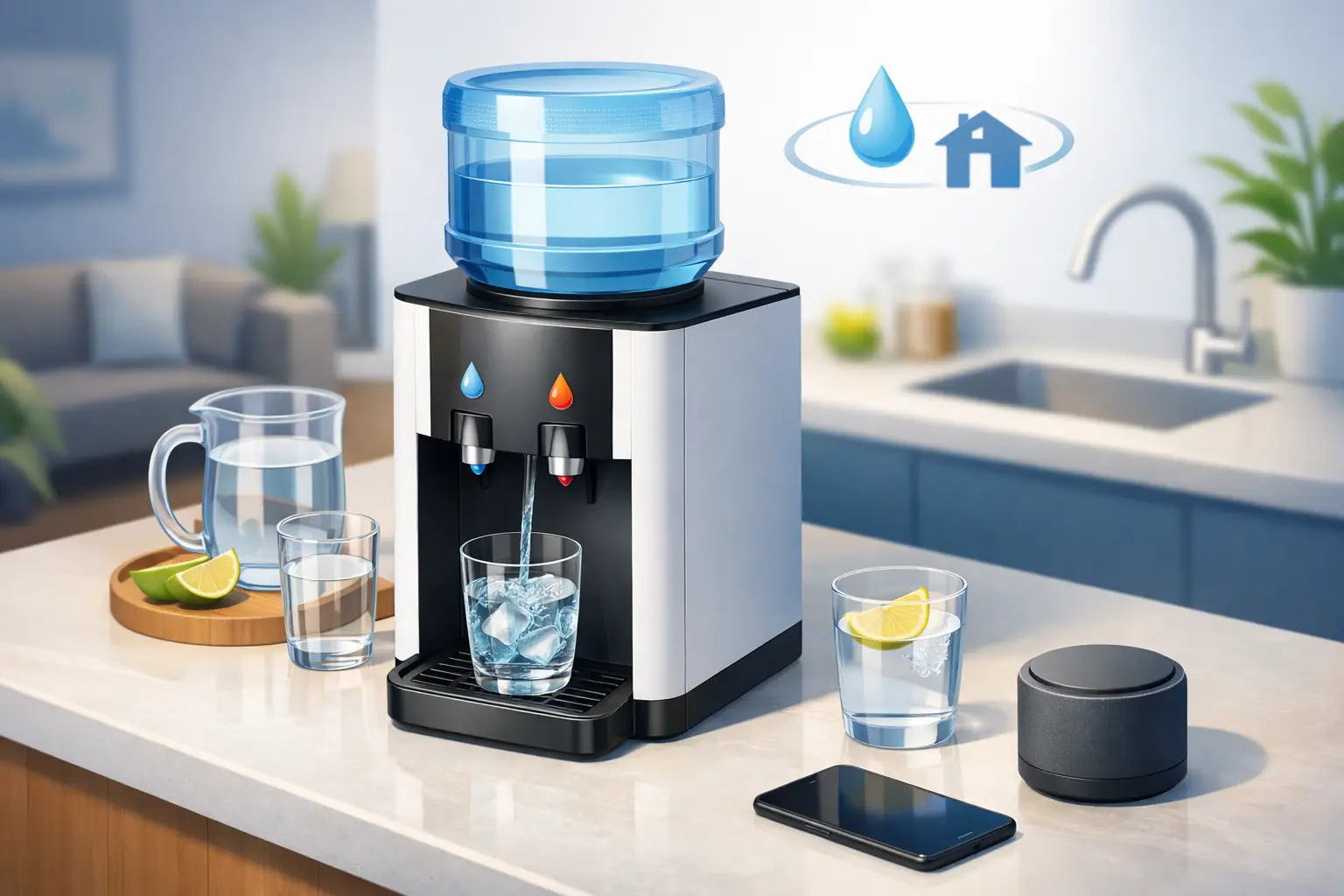
A water dispenser usually becomes urgent the moment your fridge shelves are full of bottles, the kettle is working overtime, or your office pantry keeps running out of cold water. This home water dispenser guide is built for buyers who want a practical solution, not guesswork. If you are choosing for a family apartment, a shared office, or resale stock, the right model comes down to capacity, temperature needs, space, and long-term reliability.
Why a home water dispenser guide matters before you buy
Not every water dispenser suits every room or every user. A compact tabletop unit may work well in a studio apartment, but it can feel too limited in a busy family kitchen or office waiting area. On the other hand, a larger freestanding model can offer better convenience and higher daily output, but it needs more floor space and usually costs more upfront.
That is why buying based on price alone often leads to disappointment. A low-cost unit that chills slowly, lacks safety features, or is difficult to clean may not feel like value after a few weeks of daily use. Most buyers are better served by looking at how the dispenser will actually be used each day.
Choose the right type of water dispenser
The first decision is usually the format. Freestanding dispensers are the most common choice for homes and offices because they are easy to place and typically support standard water bottles. They also tend to offer hot and cold functions with better capacity than smaller units.
Tabletop models are a strong option when space is tight. They fit well in apartments, pantry counters, and smaller staff rooms. The trade-off is that they often have lower output and may feel less convenient in larger households.
Bottom-load dispensers appeal to buyers who do not want to lift heavy bottles. This matters more than many people expect. Replacing a top-load bottle can be awkward, especially for older users or in workplaces where multiple people handle the unit. Bottom-load designs improve ease of use, though they usually come at a higher price.
Top-load dispensers remain popular because they are simple, familiar, and often more affordable. They also let users see when water is running low. For many homes, that simplicity is a real advantage.
Temperature options: what do you really need?
Most buyers start by asking for hot and cold water, but the better question is how often each function will be used. If your household drinks chilled water throughout the day and makes tea or instant coffee regularly, a hot and cold model is the obvious choice. It reduces reliance on the refrigerator and kettle, which saves time and clears kitchen space.
If you only need room-temperature and cold water, a simpler model may be enough. That can lower both purchase cost and electricity use. In some homes, especially with young children, skipping the hot function can also reduce safety concerns.
Some dispensers include three temperature outputs – hot, cold, and normal. This is a useful middle ground for families and office use because different users often want different water temperatures. It adds flexibility without making the product complicated.
Hot water safety is not optional
If a dispenser has a hot tap, child safety matters. A hot water lock is one of the most useful features for family homes. It helps prevent accidental burns and adds confidence when the unit is placed in a kitchen, dining area, or shared common space.
Capacity and usage: match the dispenser to daily demand
A home water dispenser guide is only useful if it helps you think in real usage terms. A couple in a small apartment may be perfectly satisfied with a light-use tabletop model. A larger family, staff pantry, clinic reception, or salon will usually need something more durable and efficient.
Think about how many people will use it, how often bottles will be replaced, and whether the unit needs to handle peak times. Morning rush, lunch hours, and evening family use can expose the limits of a low-capacity dispenser very quickly.
For trade buyers and resellers, this is also where product selection becomes important. Models that suit broad everyday needs tend to move faster because they work for both residential and small commercial customers. Straightforward features, dependable cooling, and easy bottle loading usually matter more than extra styling details.
Size, placement, and room layout
A dispenser can look compact in product images and still feel bulky once it arrives. Before buying, measure the intended space carefully. Check height clearance, side access, and whether the area is close to a power outlet. If the unit will sit in a narrow kitchen corner or under shelving, dimensions matter more than expected.
Freestanding dispensers need stable placement and enough room for bottle changes. Tabletop units need a strong, level surface that can handle the weight of both the machine and the bottle. If you are placing the dispenser in an office, reception area, or showroom, appearance also matters. A clean, modern finish can help the appliance fit the space instead of looking like an afterthought.
Noise level can matter more than specs
This is one detail buyers often overlook. In a family kitchen, occasional cooling noise may not be an issue. In a studio apartment, bedroom-adjacent pantry, or quiet office, it can become annoying. If the dispenser will sit near workstations or sleeping areas, look for models known for stable, quiet performance.
Features worth paying for
Some features improve convenience immediately, while others are mostly nice to have. A removable drip tray is one of the simplest but most useful additions because it makes cleaning easier and keeps the area tidy. Indicator lights are also helpful, especially for users who want a quick read on heating and cooling status.
Cabinet storage can be useful in homes where cups, tea supplies, or extra items need a dedicated place. It is not essential, but in smaller spaces it adds practical value. Stainless steel water tanks are another strong selling point because they support hygiene, durability, and a more premium ownership experience.
Energy efficiency is worth considering too. A dispenser runs regularly, so power use affects long-term value. The cheapest unit on day one may not be the best buy if it draws more power or struggles to maintain temperature consistently.
Cleaning and maintenance should be easy
Even a good dispenser needs regular cleaning. Water appliances perform better and last longer when owners keep the taps, drip tray, and internal water path clean. Buyers should look for a design that makes routine maintenance simple rather than frustrating.
If a dispenser is hard to wipe down, awkward to access, or prone to spills during bottle changes, daily convenience drops fast. For office managers and wholesale buyers, ease of maintenance also affects customer satisfaction after purchase. A product that performs well but is difficult to maintain can still lead to complaints.
Warranty, local supply, and after-sales support
A water dispenser is not just a one-time purchase. It is an appliance that should deliver consistent daily use, so local warranty support matters. Fast delivery across UAE and official warranty coverage are strong buying advantages because they reduce risk and improve trust in the purchase.
This matters even more for bulk buyers, landlords, office procurement teams, and resellers. Reliable local fulfillment means fewer delays, while warranty-backed products give end users more confidence. A good price is valuable, but dependable after-sales support is often what makes the purchase feel safe.
For that reason, many buyers prefer established appliance sellers that combine practical model selection with direct wholesale pricing and clear warranty terms. That balance of value and support tends to matter more than chasing the lowest number on the page.
A simple way to choose the right model
If your priority is family convenience, focus on hot and cold output, child lock protection, easy cleaning, and enough capacity for daily use. If your priority is a smaller apartment, choose a compact footprint and realistic output instead of buying oversized. If you are purchasing for office use, prioritize bottle replacement ease, stable cooling, and durable construction.
If you are buying for resale or project supply, think in terms of broad market demand. Straightforward, dependable dispensers with practical features usually outperform overly specialized models. Buyers want something easy to understand, easy to maintain, and worth the price.
A smart purchase is rarely about getting the most features. It is about getting the right features for the space, the users, and the budget. LIGHT PERFECT TRADING L.L.C serves that need well by focusing on practical appliances, official warranty, and value-driven pricing that works for both households and trade buyers.
The best water dispenser is the one that fits your routine without creating extra work – reliable every day, simple to maintain, and priced in a way that still feels like a good decision months later.