
Blog
8 Smart Kitchen Appliance Trends to Watch

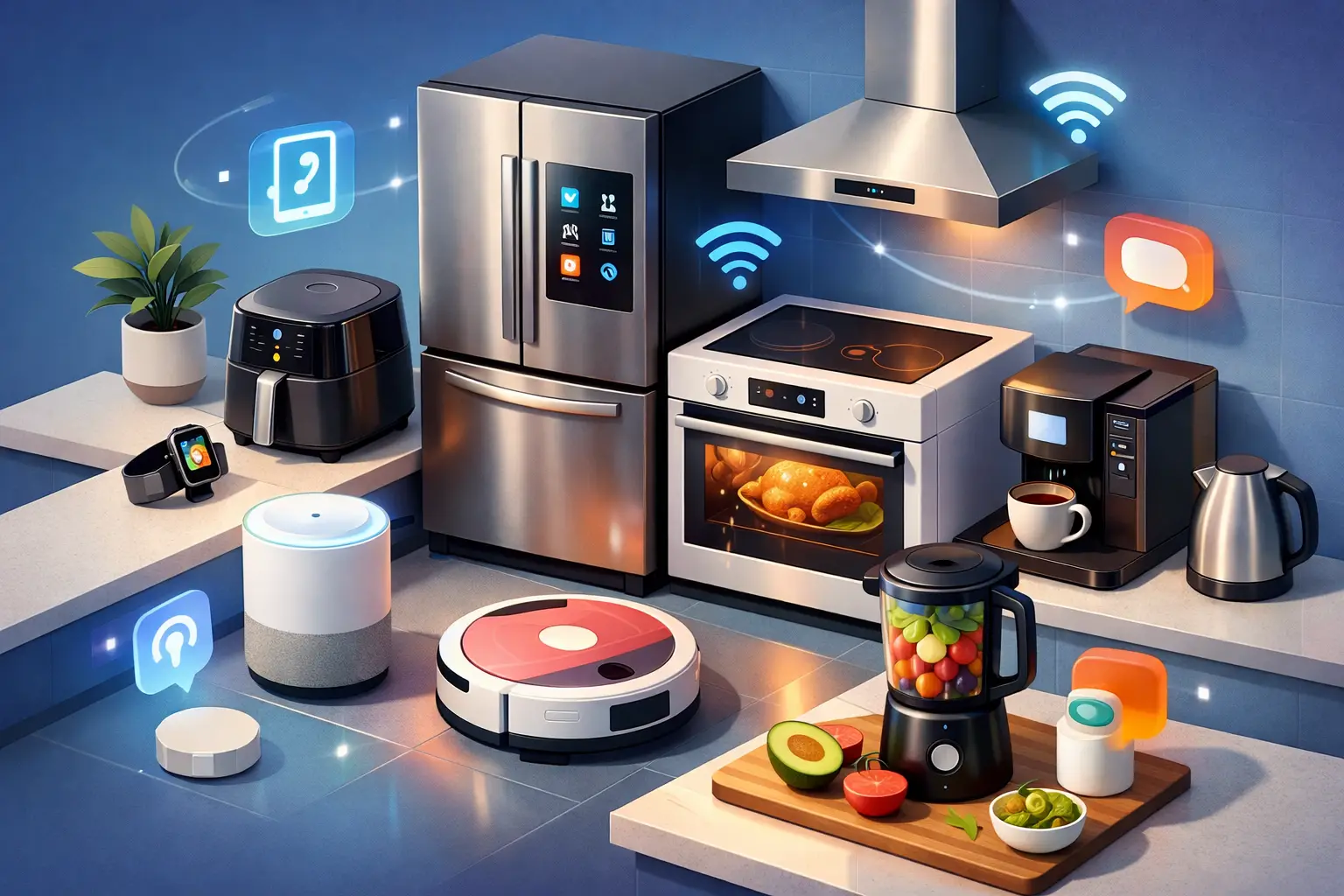
The biggest smart kitchen appliance trends are not about flashy screens or gimmicks. Buyers are paying attention to appliances that save time, fit smaller kitchens, reduce effort, and still make sense on price. That matters for households upgrading one product at a time, and it matters just as much for office pantries, furnished apartments, and resellers who need reliable products with broad appeal.
In the UAE market, the demand is practical. People want faster meal prep, easier cleaning, better energy control, and features they will actually use every day. Smart no longer means complicated. It means the appliance helps you do more with less guesswork.
Why smart kitchen appliance trends are changing buying decisions
A few years ago, many shoppers treated smart features as optional extras. Now they are part of the value calculation. If an air fryer remembers cooking settings, if a food processor cuts prep time in half, or if a water dispenser gives precise temperature options, that is not just convenience. It is a daily benefit that affects how often the appliance gets used.
For retail buyers, this shift is simple: better function justifies the purchase. For wholesale buyers, it means products with easy-to-understand smart benefits are easier to sell. Features have to be visible, useful, and dependable. If they add cost without improving performance, buyers move on quickly.
1. Air fryers are getting smarter, not just bigger
Air fryers remain one of the strongest categories because they solve a clear problem. They cook quickly, use less oil, and work well for apartments and family kitchens. The newer trend is smarter control rather than only larger capacity.
Preset programs, digital timing, temperature memory, shake reminders, and dual-cooking functions are becoming more relevant than novelty features. A shopper comparing models often cares less about how advanced the display looks and more about whether the appliance makes weeknight cooking easier. That is why practical features win.
There is a trade-off, though. More functions can improve convenience, but they should not make the unit harder to operate. The best-selling products usually balance digital control with simple use. For many homes, that is the sweet spot.
2. Multifunction appliances are replacing single-use machines
Counter space is expensive, especially in apartments and compact kitchens. One of the strongest smart kitchen appliance trends is the move toward multifunction products that combine several tasks in one unit.
Food processors that chop, slice, shred, and knead are a clear example. Mixers with multiple attachments are another. Buyers are looking for appliances that reduce clutter while still handling everyday tasks well. That makes these products appealing to both end users and trade buyers stocking practical inventory.
The important point is performance. A multifunction appliance only creates value if it does each job reliably. Buyers have become more careful here. They are asking whether the motor is strong enough, whether the bowl capacity is practical, and whether the parts are easy to clean. Smart design matters, but so does durability.
3. Precision control is becoming a key selling point
One major shift in smart appliances is better control over heat, speed, timing, and output. This is showing up across categories, from air fryers and mixers to electric kettles and water dispensers.
Precision control matters because it removes guesswork. Adjustable temperature settings help with different foods and drinks. Multiple speed options give better consistency when mixing or chopping. Timers and auto shut-off features improve safety while also making the product easier to trust in a busy home or office.
For buyers, these are strong selling points because they are easy to understand. You do not need a technical explanation to see the value of a dispenser that offers the right water temperature or a processor that gives cleaner, more even results. In a product listing or showroom conversation, those benefits are clear and practical.
4. Easy-clean design is now part of the smart category
A smart appliance that is difficult to clean does not stay useful for long. That is why removable baskets, dishwasher-safe parts, nonstick interiors, smooth control panels, and simple assembly are becoming central to product demand.
This trend is especially important in busy households and office settings, where no one wants extra maintenance. It also affects repeat use. An appliance may have good performance on paper, but if cleanup takes too much effort, it ends up stored away instead of used daily.
For retailers and wholesalers, easy-clean design helps reduce buyer hesitation. It is one of those features people appreciate immediately after purchase. In practical terms, that creates better satisfaction than many over-marketed smart functions.
5. Compact appliances with strong output are winning
Not every customer wants a large, premium-looking unit. Many want an appliance that fits the kitchen they already have. This is one of the most important smart kitchen appliance trends for urban buyers, tenants, and smaller households.
Compact no longer means basic. A smaller air fryer can still offer digital presets and efficient airflow. A compact chopper can still deliver strong performance for daily prep. A slim water dispenser can still provide useful temperature options and modern styling.
This is where value-forward brands have an advantage. When a product combines practical size, dependable output, and accessible pricing, it reaches a wider audience. It also works well for bulk buyers furnishing apartments, staff accommodation, or office spaces where space efficiency matters as much as cost.
6. Safety features are moving from bonus to expectation
Smart appliance demand is also being shaped by safety. Buyers are more aware of overheat protection, auto shut-off, child-safe controls, stable feet, locking lids, and cool-touch surfaces. These are not luxury additions anymore. In many categories, they are basic expectations.
This has changed how people compare products. A low price can attract attention, but it will not always close the sale if the appliance feels risky or poorly made. Households want confidence. Office buyers want fewer problems after installation. Resellers want products that are easier to stand behind.
That is why warranty support remains important alongside features. Smart design is only valuable when buyers trust the product will perform consistently. Reliable after-sales support strengthens that decision.
7. Energy-conscious buying is becoming more practical
Energy efficiency is often discussed in broad terms, but buyers usually think about it in very practical ways. They want faster cooking, less waste, and appliances that do the job without running longer than necessary.
Air fryers fit this trend well because they can reduce cooking time for many everyday foods. Water dispensers with controlled heating are another example. Efficient motors in mixers and processors also matter, especially when performance is strong without unnecessary power draw.
The key here is honesty. Not every appliance needs to be marketed as energy-saving. Buyers respond better when efficiency is tied to real use. Faster preparation, better portion handling, and reduced repeat cooking cycles are clearer benefits than vague claims.
8. Smart features must justify the price
This may be the most important trend of all. Buyers are more selective than before. They are willing to pay for useful features, but they do not want to pay extra for technology that adds little to daily use.
That means app control, touch panels, or advanced presets only work when they improve convenience in a clear way. For some buyers, a simple digital interface is more appealing than full connectivity. For others, especially premium shoppers, more advanced controls can make sense. It depends on budget, usage frequency, and the type of appliance.
For the wider market, value remains the deciding factor. Products that combine modern design, dependable performance, and official warranty support are in the strongest position. That is why retailers such as LIGHT PERFECT TRADING L.L.C focus on appliances that feel current but stay grounded in real household use.
What buyers should look for next
The next phase of smart appliance demand will likely stay focused on useful upgrades rather than dramatic reinvention. Expect stronger interest in better presets, more precise controls, safer operation, easier maintenance, and products that combine multiple functions without becoming difficult to use.
For households, the best purchase is usually the one that solves a daily problem. For wholesale buyers, the best inventory is often the range that covers common needs at reliable price points. In both cases, the same rule applies: smart features should support performance, not distract from it.
A good appliance earns its space on the counter. If it saves time, cleans easily, works reliably, and comes with the confidence of fast delivery and official warranty, that trend is worth watching and buying.