
Blog
8 Best Dough Mixers for Bread

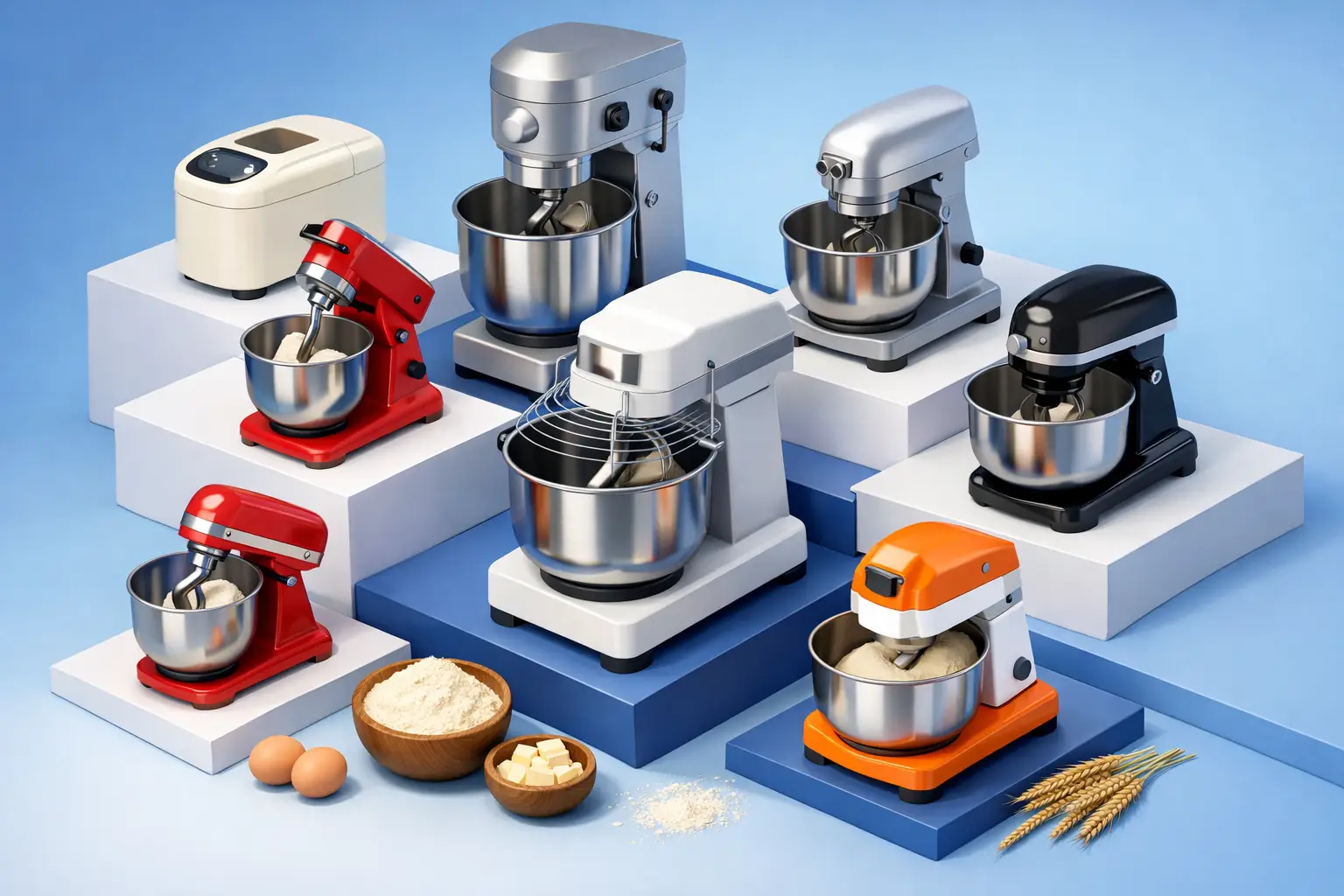
A weak mixer usually shows its limits the moment bread dough gets serious. Soft cake batter is easy. A dense sandwich loaf, pizza dough, or a double batch of whole wheat dough is where the machine either keeps working or starts shaking across the counter. If you are comparing the best dough mixers for bread, the right choice comes down to torque, bowl capacity, build quality, and how often you plan to bake.
For most buyers, the mistake is focusing only on wattage. Power matters, but it is not the full story. A well-built mixer with a proper gear system, steady low-speed kneading, and a strong dough hook will outperform a higher-watt machine that struggles under load. That is why bread makers, family kitchens, and small resellers should look at the full package before buying.
What makes the best dough mixers for bread?
Bread dough is heavier than most mixing jobs, so the motor needs enough strength to knead without overheating. A mixer for cookies may run well for a few minutes, but bread often needs longer kneading at controlled speed. This puts pressure on the motor, transmission, and bowl locking system.
The best dough mixers for bread usually offer planetary mixing action, multiple low-speed settings, and a dedicated dough hook. A stable base is just as important. If the machine moves during kneading, that is a sign the body or suction support is not handling the load well.
Bowl size also changes the buying decision. A 4 to 5 liter bowl suits most households making one or two loaves at a time. If you bake for a large family, prep dough for gatherings, or buy for small commercial use, a 6 to 8 liter bowl can make more sense. Bigger is not always better, though. Very large bowls can be less convenient for smaller batches.
8 types of mixers worth considering
1. Compact tilt-head stand mixers
This is the practical choice for apartments, smaller kitchens, and occasional bread baking. A compact stand mixer takes less counter space and is easy to store, while still handling standard white bread or pizza dough in moderate batches. It is best for buyers who want a machine that can also whip cream, beat batter, and mix everyday recipes.
The trade-off is capacity and workload. If you make heavy dough every week, a compact model may reach its limit faster than a larger mixer.
2. Mid-size stand mixers with dough hook
For most households, this is the sweet spot. A mid-size machine balances power, bowl capacity, and price. It can handle regular bread baking without taking over the kitchen. This is often the most value-forward option because it gives enough performance for family use while staying more affordable than heavy-duty models.
If you are shopping for a reliable all-around appliance, this category usually gives the best mix of performance and price.
3. Heavy-duty stand mixers
Heavy-duty mixers are built for frequent bread making, dense dough, and larger batches. They usually have stronger internal components, larger stainless steel bowls, and better stability during kneading. For buyers who bake several times a week, this is where spending more can pay off.
The downside is simple – size, weight, and cost. These models take up more space and are less ideal for buyers who only bake bread once in a while.
4. Bowl-lift mixers
A bowl-lift design often feels more secure under heavy dough loads because the bowl locks in firmly while the head stays fixed. This style suits serious home bakers and some light commercial users who want extra stability.
It can be a little less convenient if you prefer fast access to the bowl, but for bread work, many users appreciate the stronger feel.
5. Spiral dough mixers
If bread is the main job, a spiral mixer deserves attention. It is designed specifically for dough and can knead efficiently with less heat buildup in the dough. That matters if you care about texture, fermentation, and consistency.
This is not the most versatile option for general baking. It is better for bread-focused buyers than for someone who wants one machine for every kitchen task.
6. Planetary mixers for multi-use kitchens
Planetary mixers are common because they do more than knead dough. They work well for bread, cakes, frostings, batters, and whipping. For many households and resellers, this versatility makes them easier to justify.
The key is to choose a model that is genuinely rated for dough, not just light mixing. Otherwise, you may end up with a machine that looks capable but struggles in daily use.
7. Commercial countertop mixers
These are for bulk production, resale operations, cafes, or frequent high-volume dough prep. They are made for repeated use and often include larger bowls, stronger motors, and more durable construction. Small business buyers usually get better long-term value from this category when bread production is part of daily operations.
For a normal household, though, this can be more machine than you need.
8. Budget-friendly bread mixers
A lower-priced mixer can still be the right buy if your expectations are realistic. If you make one loaf at a time, softer doughs, or only bake on weekends, an entry-level stand mixer may cover your needs. It is a smart option for first-time buyers who want to start without overspending.
The important point is not to push a budget mixer beyond its intended use. Overloading causes wear, noise, and shorter product life.
How to choose the right dough mixer for your kitchen
The first question is how often you bake. If bread is an occasional project, you do not need the largest machine on the shelf. A dependable mid-size stand mixer with dough hook attachment is usually enough. If you bake every week or prepare large batches, move up to a heavy-duty or bowl-lift model.
The second question is dough type. White bread dough is easier on the machine than bagel dough, multigrain dough, or high-hydration batches mixed in volume. Dense dough needs stronger torque and better stability. If your recipes are usually heavy, buy above your minimum requirement.
Third is capacity. A bigger bowl supports larger batches, but it also takes more storage space and can cost more. For many homes, 5 liters is a comfortable middle ground. Larger families and business users may benefit from 6 liters and above.
Noise, cleaning, and warranty support matter too. A mixer used regularly should be easy to wipe down, simple to assemble, and backed by official warranty coverage. That is especially important for shoppers who want dependable ownership, not just a low upfront price.
Features that actually matter
A stainless steel bowl is a practical advantage because it lasts longer and is easier to maintain. Anti-slip feet help keep the mixer stable during kneading, which is especially useful on smooth countertops. Overheat protection can also be worth having, since bread mixing puts more strain on the motor than light recipes.
Speed control should start low and stay controlled. Bread dough is not about maximum speed. It is about consistent kneading without splashing ingredients or stressing the machine. A splash guard is helpful, but it is secondary compared to motor performance and bowl stability.
Attachments matter only if you will use them. A dough hook is essential. A whisk and beater are useful bonuses if you want a multi-function kitchen mixer. If your only goal is bread, focus more on kneading ability than on extra accessories.
For household buyers vs. wholesale buyers
Household buyers usually want one mixer that handles bread plus everyday kitchen work. In that case, a planetary stand mixer with good bowl capacity and reliable low-speed kneading offers the best overall value. It covers bread, cakes, cream, eggs, and batters without requiring multiple appliances.
Wholesale buyers and resellers need to think differently. Return risk, warranty support, and broad customer appeal matter as much as motor power. Models with practical capacities, modern design, and easy-to-understand controls often move faster because they suit both first-time users and experienced home bakers. A balanced product line with entry, mid-range, and heavy-duty choices usually serves the market better than stocking only premium units.
For buyers looking at practical appliance value, brands and suppliers that combine fast delivery, direct pricing, and official warranty support offer a clear advantage. That is especially true when the mixer is expected to handle regular dough work rather than occasional light mixing.
Which mixer is best for you?
If you want the safest all-around choice, a mid-size stand mixer with dough hook is the strongest recommendation for most homes. It gives enough power for regular bread baking, fits average kitchen space, and stays within a sensible budget.
If you bake often, choose heavy-duty or bowl-lift. If you bake only once in a while, a compact model is enough. If bread is your business or your main baking focus, look closely at spiral or commercial countertop mixers.
The best machine is not always the biggest or most expensive one. It is the one that matches your dough type, batch size, kitchen space, and workload without forcing you to compromise every time you bake.
A good bread mixer should make baking easier, not more cautious. Buy for the way you actually use your kitchen, and you will get better performance, better value, and fewer regrets after the first batch.